Weight gain is so much more than just eating too much and not moving enough. For many people weight gain is a symptom, just like headaches or acne are symptoms of potential dehydration, lactose intolerance or hormone imbalance.
Unfortunately in our thin obsessed society, weight gain is demonized and the people who gain it are labeled as lazy or gluttonous or both. Yet, then why is the weight loss/diet industry a $63 billion industry? People can't be that lazy if they are willing to spend $63 billion of their hard earned money to be thin. There are numerous companies that promise if you eat this way, move that way, drink this chalky drink or swallow a magic pill that the weight will just melt away. And it will....for a while. But likely, as many of us know, who have tried the food, exercise, magic pill, fad diet, it comes back. It almost always comes back if we are just addressing the weight as the problem.
The weight is not often the root problem. The weight is often the symptom of a root problem not being addressed.
The ACE's study at Kaiser Permanente in California started as a weight loss study. The doctors leading the study thought they would be able to understand why their participates were overweight or obese and have continually yoyo dieted their entire lives in attempt to lose the weight, yet inevitably gained it back and then some. The initial point of the study was to treat the weight, but what the study ultimately found was that for a majority of the participants, weight was a symptom or even a sense of protection. Try as they might the doctors could not treat just the weight. Many participants initially had success on their limited calorie diets and regular exercise routines, some even losing significant amount of weight, but then something would happen and the participants would drop out of the study, never to return, some would "slip" and binge eat, other's couldn't explain it even though they were following the plan, they were gaining or not fluctuating. This flabbergasted the doctors leading the study.
What started as a weight loss study addressing the weight gain as the symptom turned into what is the well known now as the Adverse Childhood Experiences (ACEs) study, which identified that 75% of people who struggle with weight have had at least 1 ACE on the questionnaire developed during of the study. And that the more ACEs someone has, the more likely they are to be overweight and struggle with weight related illnesses. And anyone with 4 or more ACEs will likely have a whole host of health related concerns. With each ACE a person has, they have an increased likelihood for diabetes, cancer, obesity, heart attack, depression, etc.
Learning about ACEs and the study is really quite fascinating and once you learn about it is very hard to look at overweight and obese people with anything other than compassion. Weight is a symptom of suffering, of pain, of issues on a deeper level than that person may not care to share with anyone, perhaps, let alone themselves. Weight can act as an armor of sorts, a protection from connection, or intimacy, it can act as a physical barrier, it can physiologically be a sense of comfort to the hurting heart inside.
Even Weight Watchers, the leading weight loss company in the US, has adopted a new model recently. They are no longer focusing on numbers and calories. They have added community, mindfulness and psychological support to their programming, even changing the name to "WW". If a major weight loss corporation can see that we can't just treat the weight then hopefully we can begin to see, as a society, that it is never just about the weight.
For many people food is comfort. That's why we crave "comfort food" when we feel homesick or lonely, or tired, or it is just a Tuesday night after a stressful work day. Food can, for many, fill an emotional need. Turning to food for comfort does not make a person weak or gluttonous, if anything we are trained from a very young age to use food as comfort. Often children are offered a treat when they fall and get a boo boo. Food treats are given as reward too, for a job well done or getting a good grade. Food is central at a funeral and a wedding. We bring food to people who are grieving or eat mindlessly while we zone out in front of the TV. Food is central to everything we do. And we also associate a lot of foods with emotional times in our lives. It makes sense then, that we learn and default to patterns of food comfort as adults.
If we do not learn different coping mechanisms or don't address the emotions head-on (which is tough stuff!) we default to "I have a booboo" (physical or emotional) I need ice cream, candy, a treat to make it all go away and feel better. Which it does! That's the amazingly cool thing about our anatomy when it comes to our dopamine receptors. Next time you are feeling down or stressed and you turn to a treat for comfort, notice how your body responds. It will likely feel tight and tense to begin with, then you will decide you need a treat; there is the decision process, which is exciting and fun, and occupies your mind; then you get to enjoy your treat, which is glorious and delicious and relaxing; then you feel that rush of dopamine pleasure rush through your brain and body; reveling in the dopamine glow, you forget (at least for a while) what caused you to seek out the treat in the first place. Boom, the treat has done exactly what you sought it out to do in the first place. Comfort.
So the next time you feel yourself gaining weight or your pants don't fit anymore don't beat yourself up and call yourself lazy or bad for eating all the donuts, ask yourself, what is going on here? What is going on on a deeper level? Check in with your emotional state. Are you taking care of your emotional needs? Have you been triggered? Do you need to journal or talk to someone? A great trick before you eat the treat is to put a hand on your heart and a hand on your stomach. Take a deep breath, exhale, and ask yourself, is my heart hungry for this treat? Wait for the answer. Then ask, is my stomach hungry for this treat? Wait for the answer. Not that the answer will make you eat or not eat the treat, the act of pausing and checking in with your needs, potentially emotional, physical or both, is the goal.
(To take the ACEs questionnaire go here. And to learn more about ACEs I would highly recommend two books, The Body Keeps the Score: Brain, Mind and Body in the Healing of Trauma by Bessel Van Der Kolk, M.D. (one of the leading doctors in the ACEs study) and The Deepest Well: Healing the Long-term Effects of Childhood Adversity, by Nadine Burke Harris, M.D.)
Showing posts with label Eating Well. Show all posts
Showing posts with label Eating Well. Show all posts
Tuesday, December 4, 2018
Thursday, November 30, 2017
What Being Vegan Means to Me and What I Have Learned so Far
I am going on 2 months of a plant based diet, free of gluten, dairy and animal products (well except eggs). I am feeling amazing! I think this is really fascinating given the last time I went vegan for 3 weeks I was miserable. Several things factored into my misery last time, I believe, 1) I had no motivation other than my IIN Health Coaching curriculum suggesting we try different ways of eating throughout the year-long course 2) It was January in Maine (who doesn't crave meat and cheese and bread in the winter!? I know I certainly do.) 3) I didn't educate myself. I figured, I know about food. I know how to cook. I know how to eat vegan. But, actually I didn't. I needed to approach shopping, cooking and eating differently. And I needed to learn how to cook differently. 4) I removed a key macronutrient from my diet and didn't replace it with anything.
There are 3 macronutrients we all need to survive. Protein, fats and carbohydrates. Depending on the diet you follow and/or your dietary goals, you play around with the percentages of your macros. For a paleo or keto diet you would have protein and fats at really high percentages 60-80% and carbs super low. If you are on a plant based diet you will likely have a lower protein percentage of 10-20%. The key though is, we all need all macros. Remember in the 90s when carbs were vilified and people completely cut out all carbohydrates. Remember the bread rage? We all need some carbs, and just so we are all on the same page, vegetables are in that carbohydrate category. Actually, no one wants to completely cut out carbs, because vegetables are an essential part of any diet. Unfortunately, when most people think carbs, they think simple, refined carbs, like bread, bagels, crackers, pasta, etc. Vegetables are complex carbs and offer fiber, water and vitamins and minerals. Don't vilify carbs. Last time I tried a vegan diet, I just removed protein from my diet and upped my fat and vegetable carb intake. It worked for a while until I was ravenous and had dreams of dancing eggs multiple nights in a row. What I have learned is you can't just remove a macronutrient from your diet and not replace it. You can't just poof protein out of your diet and hope for the best, you will fail. Just like poofing all carbs or all fat, your body rejects this way of eating, and you turn into a hangry beast.
I didn't, and still don't want to eat a ton of soy products. I know there is evidence, especially circulating in the vegan world, that soy products are in fact, good for you. I don't know, evidence is great, but I am going to trust my gut on this one. While I have introduced some soy products into my life, they are not every day and are in very small amounts. And I still consciously buy products that don't have too much soy in them. (I need to go on a little side bar here, I can't with crap-filled, chemicalized, highly processed vegan foods. They are not healthier just because they are lacking animal products. I still firmly believe that we need to eat as close to how the food comes from the Earth. All the hydrogenated oils and highly processed "healthy" vegan foods are not good for anyone. I don't care how clean-vegan you are. Your body does not assimilate processed foods. I can't. And I won't. And you should seriously reconsider. The end.) With that being said, now that I have introduced some soy products as a form of protein I am feeling much better than with no protein at all. Vegainase makes a soy-free blend, which is awesome. Loving the hell out of that! I have even found 2 vegan cheeses, both of which are limited ingredients and very clean. 1 with soy and coconut, called Chao (side note, this cheese is the best! It actually tastes like real cheese, minus a faint coconut after taste) and Myiokos cashew cheese. I wouldn't exactly eat it on it's own, but it melts perfectly. This weekend I will attempting to make my own vegan cheese, which I am SO excited about! I found this recipe. I'll let you know how it turns out.


I had to learn how to cook vegan food. I know this sounds silly. I am a well versed cook. I feel very confident in the kitchen. I rarely follow recipes, I use them more for inspiration, always tweaking as I go. The thing is, that didn't work for me with vegan meals. I couldn't just omit the animal products and gluten, and try a substitute. I actually had to do research. I had to follow recipes. 2 years ago that undertaking felt daunting. This time, I am feeling inspired. I want to expand my ability to cook. I want to learn new recipes. I want to understand how to make something creamy without any diary (cashews people, cashews are the best!). I joined the 22 Day Vegan Challenge suggested my James Aspey, more for recipe inspiration than anything. I ignored a lot of what was going on in the group, because I didn't need that support in the way they offer it, but I did find the recipes that were shared by the mentors and fellow participants super helpful. Oh She Glows, It Doesn't Taste Like Chicken, Veggies Don't Bite, Simple Vegan Blog and the Food Monster app are all great resources I have found along the way. Trust me when I say you need resources if your are attempting a vegan lifestyle. I felt extremely confident that I knew what I was doing and realized that I didn't know as much as I needed too.
I love beans and beans love me. Not everyone can eat beans. Don't know? Eat some and see how your body responds. Also certain blood types digest beans better (As and Bs). If you are an O blood type, being vegan may be really, really hard for you. With that being said I don't think veganism is for everyone. I certainly will never be "that" vegan who advocates that everyone should give up all animal products. Yes, I think we could all cut down considerably on our animal product consumption, for our own health, for the animals and for environmental well being. But everyone is different. Every body is different. I think if you are going to try going vegan you need to know your self and your body well. You also have to continually check in with your intention and motivation towards eating a vegan diet.
Eggs. Yup, I said eggs. Die hard vegans would yell at me for still eating eggs. Sure, some could say I am not techinically a vegan becasue I am still eating eggs. First of all, I am not eating eggs every day. Not even every other. I eat them when I want them, which is a few times a week, and not even every week. The eggs I get are from a beautiful farm down the road. The chickens are free range, happy chickens, fed a great soy-free diet. I feel good about my eggs and my consumption of them. So curse me if you must, call me not a real vegan, but for right now that is what is working for me. Which brings me to another thought; strict, cold tofurkey veganism is a major shift for some, especially if you are not replacing your animal protein with plant based protein. So, in my opinion, if you need to gradually work towards veganism, because it is important to you, then slowly get there. Cut out things as you go. Listen to your body.
I have never been one for layering my foods. Unless it is a lasagna, I would make what I make and eat it. I would never add dressing and seeds and nuts, EVOO, and tahini, or peanut butter, etc. What I have learned this time around is layering your foods is important to feel satisfied, and also to get complete proteins. So for example, if I had sautéed greens in the morning with a half an avocado, traditionally that would be it, with some eggs perhaps, but now it is the greens, with a whole avocado, drizzled with tahini, sprinkled on hemp seeds, sunflower seeds and drizzled with more olive oil. Think about when you make oatmeal, don't just make oatmeal, but add coconut oil and peanut butter, while you are cooking it, then add nuts, seeds, non-dairy milk, fruit, etc. Leaving out the essential fats and protein combination leaves you with a high carb meal, which your body digest quickly, leaving you hungry a couple hours later. Haven't you ever been hungry 2 hours later after eating oats? You are missing the layering of fats and protein. Try it out!
Something interesting has happened over the last two months. I cannot stand the smell of meat. It is disgusting! It actually makes me gag. It smells like burning flesh. A has not jumped on my vegan bandwagon, although he will happily enjoy a vegan meal with me. He is still eating meat, which he cooks. Ugh, I can't. I roasted a turkey for Thanksgiving, it was disgusting. Having to unwrap it and dress it, and smell it cooking. I was seriously grossed out. It smelled kind of ok when it was out of the oven all golden roasty. I even ate a small piece, but spit it out. The texture, the taste, ugh. I was actually grossed out. It is not like I planned for this to happen. It just happened. It actually happened with bacon, BACON, to start. A made bacon wrapped blue cheese stuffed dates. I had to go stand outside. I was so grossed out by the bacon and the blue cheese. OMG, what is happening to me!!? I can't speak for anyone else, but man, this was not a shift I saw coming. I have ZERO interest in eating any meat. The smell is so offensive to me, why would I want to put that in my mouth?
Cheese though, well it's cheese. Cheese is my weakness. Minus blue cheese, nope all set. That shit nasty. (Oh my god, who am I??!) Cheese is my crack. Actually they have done studies on cheese and it is actually addictive. It hits the same dopamine receptors in the brain as some drugs and sugar does. Who knew? Anyway, cheese has been harder for me. I had 1 piece of cheese the other day and man was it delicious, but I didn't need or want more, and I haven't had any since. Well except, we went out to a Mexican restaurant the other night and I really wanted a cheese enchilada, so I got one. Bad idea! I was so gassy and uncomfortable all night long. So totally wasn't worth it. That was the end of my cheese dreams. If you are lactose intolerant you know the cheese pain. It's never worth it.
While not even a factor on this journey of veganism, I feel like I have lost some weight. My pants are fitting better, not so pinchy. I don't own a scale, so I don't know exactly how much, nor, do I care. That is not the goal for me. The goal has always been to feel good. To feel better than where I was. And that has been the case. The nagging back/sciatica pain is entirely gone, meaning I'm less inflamed. And I can workout everyday, squats, weights and all, and I feel amazing. It is really nice to be back at a mobility and fitness level I have always been at, but has been lessened over the last year due to nagging inflammatory back pain. That is how I got started on this vegan journey this time. That has always been my motivation, to feel really good and to get rid of that damn sciatica. It has been gone since week 2 of this vegan thing, so why mess with a good thing?

I had to learn how to cook vegan food. I know this sounds silly. I am a well versed cook. I feel very confident in the kitchen. I rarely follow recipes, I use them more for inspiration, always tweaking as I go. The thing is, that didn't work for me with vegan meals. I couldn't just omit the animal products and gluten, and try a substitute. I actually had to do research. I had to follow recipes. 2 years ago that undertaking felt daunting. This time, I am feeling inspired. I want to expand my ability to cook. I want to learn new recipes. I want to understand how to make something creamy without any diary (cashews people, cashews are the best!). I joined the 22 Day Vegan Challenge suggested my James Aspey, more for recipe inspiration than anything. I ignored a lot of what was going on in the group, because I didn't need that support in the way they offer it, but I did find the recipes that were shared by the mentors and fellow participants super helpful. Oh She Glows, It Doesn't Taste Like Chicken, Veggies Don't Bite, Simple Vegan Blog and the Food Monster app are all great resources I have found along the way. Trust me when I say you need resources if your are attempting a vegan lifestyle. I felt extremely confident that I knew what I was doing and realized that I didn't know as much as I needed too.
I love beans and beans love me. Not everyone can eat beans. Don't know? Eat some and see how your body responds. Also certain blood types digest beans better (As and Bs). If you are an O blood type, being vegan may be really, really hard for you. With that being said I don't think veganism is for everyone. I certainly will never be "that" vegan who advocates that everyone should give up all animal products. Yes, I think we could all cut down considerably on our animal product consumption, for our own health, for the animals and for environmental well being. But everyone is different. Every body is different. I think if you are going to try going vegan you need to know your self and your body well. You also have to continually check in with your intention and motivation towards eating a vegan diet.
Eggs. Yup, I said eggs. Die hard vegans would yell at me for still eating eggs. Sure, some could say I am not techinically a vegan becasue I am still eating eggs. First of all, I am not eating eggs every day. Not even every other. I eat them when I want them, which is a few times a week, and not even every week. The eggs I get are from a beautiful farm down the road. The chickens are free range, happy chickens, fed a great soy-free diet. I feel good about my eggs and my consumption of them. So curse me if you must, call me not a real vegan, but for right now that is what is working for me. Which brings me to another thought; strict, cold tofurkey veganism is a major shift for some, especially if you are not replacing your animal protein with plant based protein. So, in my opinion, if you need to gradually work towards veganism, because it is important to you, then slowly get there. Cut out things as you go. Listen to your body.
I have never been one for layering my foods. Unless it is a lasagna, I would make what I make and eat it. I would never add dressing and seeds and nuts, EVOO, and tahini, or peanut butter, etc. What I have learned this time around is layering your foods is important to feel satisfied, and also to get complete proteins. So for example, if I had sautéed greens in the morning with a half an avocado, traditionally that would be it, with some eggs perhaps, but now it is the greens, with a whole avocado, drizzled with tahini, sprinkled on hemp seeds, sunflower seeds and drizzled with more olive oil. Think about when you make oatmeal, don't just make oatmeal, but add coconut oil and peanut butter, while you are cooking it, then add nuts, seeds, non-dairy milk, fruit, etc. Leaving out the essential fats and protein combination leaves you with a high carb meal, which your body digest quickly, leaving you hungry a couple hours later. Haven't you ever been hungry 2 hours later after eating oats? You are missing the layering of fats and protein. Try it out!
Something interesting has happened over the last two months. I cannot stand the smell of meat. It is disgusting! It actually makes me gag. It smells like burning flesh. A has not jumped on my vegan bandwagon, although he will happily enjoy a vegan meal with me. He is still eating meat, which he cooks. Ugh, I can't. I roasted a turkey for Thanksgiving, it was disgusting. Having to unwrap it and dress it, and smell it cooking. I was seriously grossed out. It smelled kind of ok when it was out of the oven all golden roasty. I even ate a small piece, but spit it out. The texture, the taste, ugh. I was actually grossed out. It is not like I planned for this to happen. It just happened. It actually happened with bacon, BACON, to start. A made bacon wrapped blue cheese stuffed dates. I had to go stand outside. I was so grossed out by the bacon and the blue cheese. OMG, what is happening to me!!? I can't speak for anyone else, but man, this was not a shift I saw coming. I have ZERO interest in eating any meat. The smell is so offensive to me, why would I want to put that in my mouth?
Cheese though, well it's cheese. Cheese is my weakness. Minus blue cheese, nope all set. That shit nasty. (Oh my god, who am I??!) Cheese is my crack. Actually they have done studies on cheese and it is actually addictive. It hits the same dopamine receptors in the brain as some drugs and sugar does. Who knew? Anyway, cheese has been harder for me. I had 1 piece of cheese the other day and man was it delicious, but I didn't need or want more, and I haven't had any since. Well except, we went out to a Mexican restaurant the other night and I really wanted a cheese enchilada, so I got one. Bad idea! I was so gassy and uncomfortable all night long. So totally wasn't worth it. That was the end of my cheese dreams. If you are lactose intolerant you know the cheese pain. It's never worth it.
While not even a factor on this journey of veganism, I feel like I have lost some weight. My pants are fitting better, not so pinchy. I don't own a scale, so I don't know exactly how much, nor, do I care. That is not the goal for me. The goal has always been to feel good. To feel better than where I was. And that has been the case. The nagging back/sciatica pain is entirely gone, meaning I'm less inflamed. And I can workout everyday, squats, weights and all, and I feel amazing. It is really nice to be back at a mobility and fitness level I have always been at, but has been lessened over the last year due to nagging inflammatory back pain. That is how I got started on this vegan journey this time. That has always been my motivation, to feel really good and to get rid of that damn sciatica. It has been gone since week 2 of this vegan thing, so why mess with a good thing?

Tuesday, October 24, 2017
How Back Pain led to Dairy Free and now Veganism
For over the last year I have had this aching, sometimes debilitating, but mostly just irritating sciatica. I have tried diet changes along with many other modalities such as body work, restorative yoga, Yamuna, aerial yoga, inversions, and nothing seemed to help for long. I even bought a sacro-belt and new orthotics for my shoes, which again helped, temporarily. Always a person who loves to workout, this nagging back issue has effected my ability to workout. Squats were out, lunges, nope, any form of weight lifting, ack. I have had this constant pain and started to succumb to the potential reality that sciatica would effect me for the rest of my life. In truth, I have had some sort of hip/back/sciatic/psoas issue since my teens, but never for very long and never as debilitating as over the last year. If I stood or sat too long it would get aggravated. If I lifted heavy things without my sacro-belt, it would get aggravated. If I worked in the garden too much, bending over pulling weeds it would aggravate it. Pretty much everything I did aggravated it. I mean I was able to go about my life teaching my group fitness class, exercising mostly, but avoiding all squatting motions, I even bartended this summer and did ok. But after my 3 back-to back-shifts though, and with a farmers' market booth in between, I was hurting pretty bad Saturday mornings.
Then one day I heard something about how bad dairy really is for inflammation. I mean, of course, I know that. But over the years, dairy has slowly creeped back into my diet. All lactose free or fermented dairy, so I thought I was doing well. I didn't eat much, but as the late nights after my bartending shift accumulated and I was awake and hungry when I got home, a quick quesadilla or grilled cheese would hit the spot. At the time it didn't feel like much, but in hindsight, it was a lot more dairy than I thought.
And then I spoke with a friend who recently cut out dairy and she said it literally made her sciatica go away in days! Really?! I couldn't believe that something as simple as cutting out dairy would make back pain go away. But always curious about the body and willing to experiment with dietary changes effecting the way I feel, one day I said, 'yup that's it, no more dairy.' I mean I know I shouldn't eat dairy. I know it is inflammatory. I know I am lactose intolerant. I know, I know...but the implementing is always the hard part. So one day, I just stopped eating dairy.
Now it has been about a month and half since I cut out dairy. And literally, I kid you not, 4 days after I cut it out cold turkey, my sciatica was gone. GONE! Not like kinda gone, but gone gone. I felt better, less lethargic, my bowels were better, but all I cared about was that nagging back pain that has irritated me for over almost a year was gone! So eventually I had to try my dreaded squats. I took it easy the first time. Nothing. No pain. No radiating irritation down my leg and up my back. Nothing. Gardening was a breeze. Even last night I took my first Brazilian dance class in a long time. It is a lot of hip action. I was nervous because after the class, as we were cooling down I could feel my back tighten up and get the sensation I used to get before the whole thing would lock up and I would be in pain for the next few days. Today, I feel great! I am sore from not using back, lower ab and hip muscles I haven't used in a while, but it is not like last year when I took this class, where I was out of commission the next day due to the pain.
So dairy free = pain free! At least for me. I kid you not! I didn't believe it either. Give it a try, if you are curious.
This whole body experiment and nutrition is a slippery slope I tell ya (in a good way) 😉, so I have been eating meat, but not much, actually, actively less since I have cut out dairy. Then I asked myself 2 weeks ago, why? Why are you eating meat? I have actively been reducing my meat consumption. I have never been a huge meat eater. I don't digest it well and I feel all over slowed/bogged down when I eat too much meat. Granted, I am only ever eating local, organic and/or grass-fed or pasture raised meat (ideally all of the above). So I have considered myself a conscious meat eater. But somewhere in the back of my mind, veganism has been swirling around. If you recall I gave veganism a try back in 2015, which you can read here and here. It. Was. Hard. I have never craved eggs so much in my life. But this time it feels different. I am already gluten free (Always! Going on 8 years now!) and now completely dairy free and continually reducing my meat consumption, so how far off is being a vegan?
I listened to @yoga_girl 's podcast recently with her guest speaker James Aspey on veganism and something clicked. I think maybe because I was toying with the idea already, I was more receptive. And it wasn't the horror stories James talked about in the meat and diary industry that did it. I've always disliked that freak-out tactic of veganism, but 2 things stuck with me; the way he and Rachel approached it was not forceful and both talked about veganism from a place of love, compassion and education. James didn't even shame Rachel, when she admittedly called her self a hypocrite because she too, has let dairy creep into her life. And who are we to determine which animals we eat. In some countries they eat dogs. I could never even consider eating my beloved dogs and yet I consider myself an animal lover. And pigs are just as smart and personable as dogs. So why do we eat them? And the dairy industry is just as awful as a slaughter house. I am not trying to convince anyone, because I believe everyone's journey is different and happens in its own way towards your goal of feeling your best. So listen for yourself.
I am not one of those crazy vegans, forcibly telling people that you should know about all the horrible things that happen in the meat and dairy industries. I know scare tactics and forceful advocacy wouldn't work on me. So I would never do that to anyone else. For me, this is a personal journey, that started with removing dairy from my diet. Then realizing meat just didn't sit well with me, physically and consciously. Also, because I struggled so hard the first time around with veganism, I was kind of curious to see how I would do a second time. With that being said, I am still eating eggs. I feel without eggs I am doomed to fail and also I feel ok with my choice, because I am getting my eggs from my neighbor and I know they are free range and happy chickens. But to each her own. We all need to be conscious in our bodies and also conscious beings in the world. We make choices every day and I am currently choosing to do what feels best for me, my body, my mind, my soul and my health.
Then one day I heard something about how bad dairy really is for inflammation. I mean, of course, I know that. But over the years, dairy has slowly creeped back into my diet. All lactose free or fermented dairy, so I thought I was doing well. I didn't eat much, but as the late nights after my bartending shift accumulated and I was awake and hungry when I got home, a quick quesadilla or grilled cheese would hit the spot. At the time it didn't feel like much, but in hindsight, it was a lot more dairy than I thought.
And then I spoke with a friend who recently cut out dairy and she said it literally made her sciatica go away in days! Really?! I couldn't believe that something as simple as cutting out dairy would make back pain go away. But always curious about the body and willing to experiment with dietary changes effecting the way I feel, one day I said, 'yup that's it, no more dairy.' I mean I know I shouldn't eat dairy. I know it is inflammatory. I know I am lactose intolerant. I know, I know...but the implementing is always the hard part. So one day, I just stopped eating dairy.
Now it has been about a month and half since I cut out dairy. And literally, I kid you not, 4 days after I cut it out cold turkey, my sciatica was gone. GONE! Not like kinda gone, but gone gone. I felt better, less lethargic, my bowels were better, but all I cared about was that nagging back pain that has irritated me for over almost a year was gone! So eventually I had to try my dreaded squats. I took it easy the first time. Nothing. No pain. No radiating irritation down my leg and up my back. Nothing. Gardening was a breeze. Even last night I took my first Brazilian dance class in a long time. It is a lot of hip action. I was nervous because after the class, as we were cooling down I could feel my back tighten up and get the sensation I used to get before the whole thing would lock up and I would be in pain for the next few days. Today, I feel great! I am sore from not using back, lower ab and hip muscles I haven't used in a while, but it is not like last year when I took this class, where I was out of commission the next day due to the pain.
So dairy free = pain free! At least for me. I kid you not! I didn't believe it either. Give it a try, if you are curious.
This whole body experiment and nutrition is a slippery slope I tell ya (in a good way) 😉, so I have been eating meat, but not much, actually, actively less since I have cut out dairy. Then I asked myself 2 weeks ago, why? Why are you eating meat? I have actively been reducing my meat consumption. I have never been a huge meat eater. I don't digest it well and I feel all over slowed/bogged down when I eat too much meat. Granted, I am only ever eating local, organic and/or grass-fed or pasture raised meat (ideally all of the above). So I have considered myself a conscious meat eater. But somewhere in the back of my mind, veganism has been swirling around. If you recall I gave veganism a try back in 2015, which you can read here and here. It. Was. Hard. I have never craved eggs so much in my life. But this time it feels different. I am already gluten free (Always! Going on 8 years now!) and now completely dairy free and continually reducing my meat consumption, so how far off is being a vegan?
I listened to @yoga_girl 's podcast recently with her guest speaker James Aspey on veganism and something clicked. I think maybe because I was toying with the idea already, I was more receptive. And it wasn't the horror stories James talked about in the meat and diary industry that did it. I've always disliked that freak-out tactic of veganism, but 2 things stuck with me; the way he and Rachel approached it was not forceful and both talked about veganism from a place of love, compassion and education. James didn't even shame Rachel, when she admittedly called her self a hypocrite because she too, has let dairy creep into her life. And who are we to determine which animals we eat. In some countries they eat dogs. I could never even consider eating my beloved dogs and yet I consider myself an animal lover. And pigs are just as smart and personable as dogs. So why do we eat them? And the dairy industry is just as awful as a slaughter house. I am not trying to convince anyone, because I believe everyone's journey is different and happens in its own way towards your goal of feeling your best. So listen for yourself.
I am not one of those crazy vegans, forcibly telling people that you should know about all the horrible things that happen in the meat and dairy industries. I know scare tactics and forceful advocacy wouldn't work on me. So I would never do that to anyone else. For me, this is a personal journey, that started with removing dairy from my diet. Then realizing meat just didn't sit well with me, physically and consciously. Also, because I struggled so hard the first time around with veganism, I was kind of curious to see how I would do a second time. With that being said, I am still eating eggs. I feel without eggs I am doomed to fail and also I feel ok with my choice, because I am getting my eggs from my neighbor and I know they are free range and happy chickens. But to each her own. We all need to be conscious in our bodies and also conscious beings in the world. We make choices every day and I am currently choosing to do what feels best for me, my body, my mind, my soul and my health.
Saturday, March 18, 2017
The Power of Sleep
Sleep is an amazing thing that most of us don't think much about and certainly don't pay enough attention to, nor appreciate enough, and yet most of us are sleep deprived most of time...

As with anything in my life and my body I am putting myself through a current experiment with food, well more the, lack of some foods. I have been without alcohol or coffee for 2 weeks now. I am actively trying to find answers to a few things:
• why my liver doesn't seem to be processing as well as it could
• why my cells aren't at optimal turnover and rejuvenation, given my age and good health
• paying more attention to how certain foods on the Eat Right for Your Blood Type diet do or don't effect me.
All of this inquisitive investigation came from a visit with a new naturopathic doctor I met last month. She mentioned how impressed she is with all the lifestyle and dietary changes I have made over the years. So, unlike most of the patients that go to see her, we were able to talk about optimal health with a fine tooth comb and evaluate the nitty gritty of my diet and lifestyle. As always, I came home and did some research since I am an info junky, and now I am giving some of her ideas a whirl, plus adding in some extras of my own, including: eating my largest meal at lunch time, actively getting vegetables into each meal, drinking only 1 cup of green tea in the morning (that's all I want and need, as compared to my 2 cups of coffee), starting each morning with hot water and lemon, probiotics and yoga, having breakfast everyday (which happened naturally as soon as I cut out the coffee, I am naturally hungry within the first couple hours of waking).
Per the ND's suggestion, I read up on Dr. D'Adamo's Blood Type Diet approach to eating. Of course I know it. I have learned about it, in fact, I did a report on it in school, way back when (again another hint in my academic career that nutrition was the path for me - duh!). Without thinking much of it I haven't had chicken in a month. Crazy, right!? I don't think I ever thought to cut out something so benign and common in my diet. (I guess I've cut out chicken before on the vegan diet, but all I could think about was eggs, read that funny post here.). B blood types should avoid chicken, oddly enough there is a lectins in chicken, that Bs specifically do not assimilate well. I roasted a chicken with veggies the other night, man was it good. But the gas that immediately came after - yeah, not so much. I didn't eat the chicken for a day. Then had a very small amount yesterday, again, gassyness. Weird? Right? Who the hell ever heard of chicken making them fart? But something may be there. Maybe the blood type diet theory is onto something. I eat relatively close to it already, given a few changes, and switching out avoids for highly beneficial foods as a B. From a scientific standpoint it makes sense. We all evolved from certain regions in the world. And based on those regions we had limited resources to food. So our bodies adapted and evolved only knowing, eating, assimilating certain foods, it is in our DNA. It was not like it is now, where we have a global food marketplace and everyone eats everything. The Blood Type Diet focuses on our ancestry. Our blood types are a clue to our regional heritage and with that knowledge knowing how to eat based on how our ancestors ate and is optimal for our DNA. Interesting indeed!
I woke up this morning impressed by my quality of sleep lately. I have always valued my sleep. It is super important to me to get enough quality sleep. In fact, it is even more important for anyone around me that I get enough sleep. I am wretched if I don't. A couple years ago A and I stopped sleeping in the same bed and room because both of our qualities of sleep were being effected negatively that it was causing tension in our relationship. We both have different needs when it comes to the quality of our sleep; down to a difference in blankets, temperature of the room, waking in the middle of the night for water or to pee, lighting, moving too much; let me tell you it is amazing given our many, many sleep-need differences that we slept in the same bed as long as we did. It is not a reflection of the quality of your relationship if you do not sleep in the same bed, by the way! If anything, sleeping in the same bed may be some of the problems in your relationship. Just consider it.
It has always been a bit harder for me to fall asleep. I have to read in order to fall asleep. It is rare that I can crawl into bed and fall asleep. Typically I read for 30 minutes and then fall asleep. God be with you if you wake me up in the middle of the night. Man am I cranky. That also means I do not wake up in the middle of the night. I don't get up to pee or drink water. Occasionally I wake up because of stress and too many thoughts (but not nearly like I used to). And I used to wake up regularly on my period, but not since I started using the Diva Cup. I kid you not, it has changed my periods forever! And for the last 6 months, I have been waking around 3 am most nights, and that was because of my liver. So, now that I am addressing that, no more waking in the middle of the night and I am so stoked about that. I also wake up slowly in the morning. Not groggy per say, just everything moves slow. I don't like to be jolted awake, I hate alarms for that reason. I like to lay in bed, stretch, keep my ear plugs in long after my eyes are open. I like to be silent in the morning, with little talking or interaction, except maybe with Addi, our golden boxer. That is one of the few times in the day she is cuddly, so sometimes she gets in bed with me as I read or write early in the morning.
I typically go to bed between 10-11 p,m, and wake anywhere between 6 and 8 a.m. For the last 2 weeks though, I have been up no later than 7:30 bright eyed and bushy tailed. Still not jumping out of bed and talking a mile a minute (like a certain someone else in my house ;) ), but I am waking very mentally clear and excited and energized for the day. I am eager to write first thing in the morning and eager to do yoga in my PJs and bathrobe. Normally I would get up, go get my coffee and lounge on the couch for an hour or so, depending on the day's agenda. But these last couple of weeks I am excited and energized to get up to start moving my body at 6 am! Speaking of moving, it is amazing my poop lately (yep, I went there, you can always count on me to talk about poop) it just falls out as soon as I wake up. No I am not pooping in my bed, don't worry! But seriously, I open my eyes, I fart once or twice and then I need to poop. And it just slides right out. Boom, done easy, clean. So cool!
If you had asked me over a month ago if my sleep was good, I would have said yes. In fact, I think I even wrote on my intake forms for my visit with the ND that yes, my sleep is good. But now, having such a close comparison, wow, what a difference! I am sleeping so much better now. My sleep is deeper and better quality. I am waking refreshed and energized and eager to move first thing in the morning, which is new for me. I have always had to wait to do my yoga until an hour or two after I woke up, because otherwise I would get nauseous. Now I am eager to get on my mat. I make my cup of green tea and roll my mat out. I sit with my tea for awhile, and then I slowly start stretching, which turns into a full yoga routine, always ending with inversions in my aerial silk. Never have I been able to do inversions in the morning soon after waking without extreme nausea. It is really fascinating. Similarly in the past, if I have to get up early, like 4 or 5 a.m. I woke up nauseous. Now, part of me is wondering if that was a condition of my lifestyle habits and it's effect on my sleep, more than the hour of the morning. Hmmm....
I haven't used an alarm in over a year. I am waking naturally. I have historically fought waking up. I can feel it coming in a semi-conscious state. I can feel my body waking, my eyes fluttering, but I would resist as long as possible. Holding my pee as long as possible, forcing my eyes shut as long as possible, just for a few extra minutes of sleep. But these last 2 weeks. I wake up, eyes wide open, no resistance. I have clear, energized, exciting, creative thoughts and I am excited to start moving and creating and being in the day. Also I have spent a large part of my adult life waking up for coffee. I love coffee. I think coffee is a justifiably wonderful reason to get up in the morning, because I thought it would wake me up and give me that energized feeling, which I am waking up with now, still in bed, without the coffee. It is interesting to watch A get up and his first train of thought is coffee, in a semi-awake zombie state. I have done that same zombie shuffle most of my life too. I now have the comparison as a helpful reminder that I have the power to control what I put in my body and the where-with-all to pay attention to how foods make me feel and sleep. If the goal is optimal health, to live longer, healthier and to feel good, for me that is the most important; I want to feel good every day, why not take the steps towards improving the feel-goodness of life. And what's even more amazing is you don't know until you know, until you have the comparison in a point of your life where you felt like crap and each step you make towards feeling amazing.
Like I said, I would have said with conviction that yes, I sleep great, but I didn't know. Something didn't click until now. And yes, I have given up both coffee and alcohol, many times before in my journey, and yes at the same time, but for some reason this is different. It feels different. And it is so clear that I should have done this 6 months ago when my intuition was telling me that I could be sleeping better and that my liver needed additional support.
We undervalue the importance of sleep in our society. We overvalue busyness and waking up early, as signs of being more productive, but how efficient really is that perceived productivity if the quality of our sleep is crap? I think it is worth investigating. Poor sleep effects our brains, our bodies, our hormones, weight gain, brain clarity, creativity, digestion, productivity throughout the day, our cravings - particularly for sugar and carbohydrates (Let's take a further look at that: we are nation of obese people consuming massive amounts of processed sugar and carbs, and we all feel pressure to work hard, longer and more productively and yet no one is questioning why we all need, no crave, coffee, sugar and carbs - perhaps we should be talking about the quality of our sleep more than the perceived productivity we are all so eagerly chasing), the foods we eat, the amount of food we eat, our reaction times (there is a reason sleep deprivation is a form of torture) our moods, our tempers, yes, even our relationships, ever notice how much more annoying your husband, or kids, or the barista behind the coffee counter are after a crappy night's sleep? Sleep is really important! I cannot stress this enough and it is something in your life that you have power to change, make better or worse, and even make ideal, based on your lifestyle choices and diet.
Don't take my word for it, put yourself through a sleep experiment, you will be amazed!
As with anything in my life and my body I am putting myself through a current experiment with food, well more the, lack of some foods. I have been without alcohol or coffee for 2 weeks now. I am actively trying to find answers to a few things:
• why my liver doesn't seem to be processing as well as it could
• why my cells aren't at optimal turnover and rejuvenation, given my age and good health
• paying more attention to how certain foods on the Eat Right for Your Blood Type diet do or don't effect me.
All of this inquisitive investigation came from a visit with a new naturopathic doctor I met last month. She mentioned how impressed she is with all the lifestyle and dietary changes I have made over the years. So, unlike most of the patients that go to see her, we were able to talk about optimal health with a fine tooth comb and evaluate the nitty gritty of my diet and lifestyle. As always, I came home and did some research since I am an info junky, and now I am giving some of her ideas a whirl, plus adding in some extras of my own, including: eating my largest meal at lunch time, actively getting vegetables into each meal, drinking only 1 cup of green tea in the morning (that's all I want and need, as compared to my 2 cups of coffee), starting each morning with hot water and lemon, probiotics and yoga, having breakfast everyday (which happened naturally as soon as I cut out the coffee, I am naturally hungry within the first couple hours of waking).
Per the ND's suggestion, I read up on Dr. D'Adamo's Blood Type Diet approach to eating. Of course I know it. I have learned about it, in fact, I did a report on it in school, way back when (again another hint in my academic career that nutrition was the path for me - duh!). Without thinking much of it I haven't had chicken in a month. Crazy, right!? I don't think I ever thought to cut out something so benign and common in my diet. (I guess I've cut out chicken before on the vegan diet, but all I could think about was eggs, read that funny post here.). B blood types should avoid chicken, oddly enough there is a lectins in chicken, that Bs specifically do not assimilate well. I roasted a chicken with veggies the other night, man was it good. But the gas that immediately came after - yeah, not so much. I didn't eat the chicken for a day. Then had a very small amount yesterday, again, gassyness. Weird? Right? Who the hell ever heard of chicken making them fart? But something may be there. Maybe the blood type diet theory is onto something. I eat relatively close to it already, given a few changes, and switching out avoids for highly beneficial foods as a B. From a scientific standpoint it makes sense. We all evolved from certain regions in the world. And based on those regions we had limited resources to food. So our bodies adapted and evolved only knowing, eating, assimilating certain foods, it is in our DNA. It was not like it is now, where we have a global food marketplace and everyone eats everything. The Blood Type Diet focuses on our ancestry. Our blood types are a clue to our regional heritage and with that knowledge knowing how to eat based on how our ancestors ate and is optimal for our DNA. Interesting indeed!
I woke up this morning impressed by my quality of sleep lately. I have always valued my sleep. It is super important to me to get enough quality sleep. In fact, it is even more important for anyone around me that I get enough sleep. I am wretched if I don't. A couple years ago A and I stopped sleeping in the same bed and room because both of our qualities of sleep were being effected negatively that it was causing tension in our relationship. We both have different needs when it comes to the quality of our sleep; down to a difference in blankets, temperature of the room, waking in the middle of the night for water or to pee, lighting, moving too much; let me tell you it is amazing given our many, many sleep-need differences that we slept in the same bed as long as we did. It is not a reflection of the quality of your relationship if you do not sleep in the same bed, by the way! If anything, sleeping in the same bed may be some of the problems in your relationship. Just consider it.
It has always been a bit harder for me to fall asleep. I have to read in order to fall asleep. It is rare that I can crawl into bed and fall asleep. Typically I read for 30 minutes and then fall asleep. God be with you if you wake me up in the middle of the night. Man am I cranky. That also means I do not wake up in the middle of the night. I don't get up to pee or drink water. Occasionally I wake up because of stress and too many thoughts (but not nearly like I used to). And I used to wake up regularly on my period, but not since I started using the Diva Cup. I kid you not, it has changed my periods forever! And for the last 6 months, I have been waking around 3 am most nights, and that was because of my liver. So, now that I am addressing that, no more waking in the middle of the night and I am so stoked about that. I also wake up slowly in the morning. Not groggy per say, just everything moves slow. I don't like to be jolted awake, I hate alarms for that reason. I like to lay in bed, stretch, keep my ear plugs in long after my eyes are open. I like to be silent in the morning, with little talking or interaction, except maybe with Addi, our golden boxer. That is one of the few times in the day she is cuddly, so sometimes she gets in bed with me as I read or write early in the morning.
I typically go to bed between 10-11 p,m, and wake anywhere between 6 and 8 a.m. For the last 2 weeks though, I have been up no later than 7:30 bright eyed and bushy tailed. Still not jumping out of bed and talking a mile a minute (like a certain someone else in my house ;) ), but I am waking very mentally clear and excited and energized for the day. I am eager to write first thing in the morning and eager to do yoga in my PJs and bathrobe. Normally I would get up, go get my coffee and lounge on the couch for an hour or so, depending on the day's agenda. But these last couple of weeks I am excited and energized to get up to start moving my body at 6 am! Speaking of moving, it is amazing my poop lately (yep, I went there, you can always count on me to talk about poop) it just falls out as soon as I wake up. No I am not pooping in my bed, don't worry! But seriously, I open my eyes, I fart once or twice and then I need to poop. And it just slides right out. Boom, done easy, clean. So cool!
If you had asked me over a month ago if my sleep was good, I would have said yes. In fact, I think I even wrote on my intake forms for my visit with the ND that yes, my sleep is good. But now, having such a close comparison, wow, what a difference! I am sleeping so much better now. My sleep is deeper and better quality. I am waking refreshed and energized and eager to move first thing in the morning, which is new for me. I have always had to wait to do my yoga until an hour or two after I woke up, because otherwise I would get nauseous. Now I am eager to get on my mat. I make my cup of green tea and roll my mat out. I sit with my tea for awhile, and then I slowly start stretching, which turns into a full yoga routine, always ending with inversions in my aerial silk. Never have I been able to do inversions in the morning soon after waking without extreme nausea. It is really fascinating. Similarly in the past, if I have to get up early, like 4 or 5 a.m. I woke up nauseous. Now, part of me is wondering if that was a condition of my lifestyle habits and it's effect on my sleep, more than the hour of the morning. Hmmm....
 |
| Bathrobe yoga is the best! |
I haven't used an alarm in over a year. I am waking naturally. I have historically fought waking up. I can feel it coming in a semi-conscious state. I can feel my body waking, my eyes fluttering, but I would resist as long as possible. Holding my pee as long as possible, forcing my eyes shut as long as possible, just for a few extra minutes of sleep. But these last 2 weeks. I wake up, eyes wide open, no resistance. I have clear, energized, exciting, creative thoughts and I am excited to start moving and creating and being in the day. Also I have spent a large part of my adult life waking up for coffee. I love coffee. I think coffee is a justifiably wonderful reason to get up in the morning, because I thought it would wake me up and give me that energized feeling, which I am waking up with now, still in bed, without the coffee. It is interesting to watch A get up and his first train of thought is coffee, in a semi-awake zombie state. I have done that same zombie shuffle most of my life too. I now have the comparison as a helpful reminder that I have the power to control what I put in my body and the where-with-all to pay attention to how foods make me feel and sleep. If the goal is optimal health, to live longer, healthier and to feel good, for me that is the most important; I want to feel good every day, why not take the steps towards improving the feel-goodness of life. And what's even more amazing is you don't know until you know, until you have the comparison in a point of your life where you felt like crap and each step you make towards feeling amazing.
Like I said, I would have said with conviction that yes, I sleep great, but I didn't know. Something didn't click until now. And yes, I have given up both coffee and alcohol, many times before in my journey, and yes at the same time, but for some reason this is different. It feels different. And it is so clear that I should have done this 6 months ago when my intuition was telling me that I could be sleeping better and that my liver needed additional support.
We undervalue the importance of sleep in our society. We overvalue busyness and waking up early, as signs of being more productive, but how efficient really is that perceived productivity if the quality of our sleep is crap? I think it is worth investigating. Poor sleep effects our brains, our bodies, our hormones, weight gain, brain clarity, creativity, digestion, productivity throughout the day, our cravings - particularly for sugar and carbohydrates (Let's take a further look at that: we are nation of obese people consuming massive amounts of processed sugar and carbs, and we all feel pressure to work hard, longer and more productively and yet no one is questioning why we all need, no crave, coffee, sugar and carbs - perhaps we should be talking about the quality of our sleep more than the perceived productivity we are all so eagerly chasing), the foods we eat, the amount of food we eat, our reaction times (there is a reason sleep deprivation is a form of torture) our moods, our tempers, yes, even our relationships, ever notice how much more annoying your husband, or kids, or the barista behind the coffee counter are after a crappy night's sleep? Sleep is really important! I cannot stress this enough and it is something in your life that you have power to change, make better or worse, and even make ideal, based on your lifestyle choices and diet.
Don't take my word for it, put yourself through a sleep experiment, you will be amazed!
Friday, March 10, 2017
Don't Ignore the Subtle Signs
Our bodies give us subtle signs of things not working internally that go unnoticed potentially for years. Those symptoms will come and go, and even change, but often are pointing to the same weakness, something lacking or ailment happening inside. If ignored, and not addressed at the subtle symptom stage, often the weakness or ailment manifests into the scary things that it seems so many are getting diagnosed with recently.
Subtle symptoms include: sudden onset and/or constant allergies, onset asthma, rashes, sleep disruption in any way, hives, a very strong distaste for something suddenly, any form of digestive upset (yes, anything other than daily and "ideal" is concerning (reference Your Farts and Poops are Talking to you to learn more about what is "ideal" poop)), dandruff, itchy skin, waking at the same hour every night, excessive thirstiness, lethargy and a general lacking of energy, headaches, toenail fungus, ringing in the ears - the list can go on and on. Don't brush off an "odd" symptom as something fleeting, ESPECIALLY if you keep getting it or it won't go away. And just because your doctor tells you to take a medication or use a topical steroid cream to make the subtle symptom go away, really you should be wondering why it is there and why it is not going away.
Case in point, these are the subtle symptoms I have had for the last 6 months or so:
I have had a small, traveling, red, itchy patch on my face. It is barely noticeable, flakey, itchy, slightly red spot, that just won't go away. I scratch off the flakes in the morning, slather it with coconut oil and go about my day. Meh, no biggie, right..well...here are the rest of my symptoms, I have dandruff, which is pretty normal in the winter, but even in the summer, it seemed kinda weird, meh, brushed it off. I have been craving bitter flavors and grapefruit. I have not been sleeping as well as I know I can. I wake most nights around 3 a.m. I am hot and thirsty and wide awake. I normally kick the covers off, take a sip of water and read until I fall asleep. I am not normally up for a long period of time (no more than an hour) but it is effecting me throughout the day. I have been extremely sensitive to smells (no I'm not pregnant), more so than normal, where strong smells are offensive to too me, make me nauseous and make me sneeze. I have always had sensitive sinuses, but this seems more sensitive than normal. My bowel movements have been fine, but not great, irregular in consistency day to day. Oh, and I had a nail fungus on my big left toe that was more ugly looking than problematic, although now that I think about it, I dealt with a constant ingrown on that toe all summer long...hmmmm....
Pretty benign symptoms right? And with seemingly no connection. Just slightly random annoying bits of being human that don't bother my day to day functioning. I haven't thought much about any of them until recently. I went and saw a new naturopathic doctor, who was the first health care professional ever to say, "You know more about your body than I do. I am just here to support you."!!! I immediately loved her because she said that out loud to me as I sat on her exam table. So many of us fear our bodies, or view it as this mystery wrapped in an enigma that only people who went to medical school can understand and figure out. WRONG! If you are interested and curious enough, and willing enough to ask questions and trust your intuition, knowing what symptoms to look for; you know your body, and what it needs, far better than any health care professional can ever tell you. And no, I am by no means saying, go stick your tongue out at your doctor and say you know more than s/he. What I am encouraging you to do is to take control of your body, to get to know it, to ask those questions - why do I have this [rash, itchiness, sleep interruption, etc.] and make it your mission to figure out and start asking about those subtle symptoms rather than ignoring them.
With that being said, most subtle symptoms are a sign of an imbalance and often a lacking in diet. So much of what ails us can be linked to what we are eating, or really not eating enough of. So many of us eat too much animal protein, too much sugar, and processed, chemicalized, artificial foods, that are giving your body zero of the nutrients it needs, and in fact, are taking away those that you do have. We should all be eating a mostly plant based diet, with lots and lots of healthy fats, some animal protein, some whole grains, dairy and fruit, and nary the occasional treat of a packaged item, or sweet, or alcohol. Unfortunately that is not how most of us eat, and in fact, our government tells us something different. Again trust your instinct here - it know what you should be eating.
So as a person who eats that way, mostly plants, lots of healthy fats, no gluten, only fermented dairy and hardly ever a packaged item. I do enjoy 2 cups of coffee in the morning blended with coconut oil and a glass or 2 of wine each night. Harmless, right? I am sure many of you could admit worse dietary habits and vices. And yet, I have had these weird symptoms. I am seemingly healthy, active daily and eat a particularly well balanced diet, and yet, 6 months ago, my intuition told me something was off. I wasn't sure what or how, just that I needed to make a change. So did I make a change...no. :( This post is just as much for me, as it is for you. It is so funny that we can see the sign, feel the symptom and brush it off for months and even years. I (we) can do better!
My intuition told me 6 months ago that my liver needs support. It isn't processing as well as it should. And yet I'm not a candidate for any liver issues. I am young and active. I eat well. I drink only 2 12oz cups of coffee in the morning, never more and never at any other time of the day. I enjoy a glass or 2 of wine most nights of the week, and occasionally a few cocktails when out, but hardly a concern along the lines of the alcohol effecting my liver that negatively, which is the default logic. The naturopathic doctor I saw, said exactly that, in our appointment, "You are really healthy and have no problems, but I would suggest we up your healthy fats intake and support your liver more."!! Whaaat?! I could have told me that - doh! It is awesome to have your actions and thoughts validated. I knew 6 months ago, I just didn't implement the changes I knew I needed to make and she just confirmed my hunch. So cool!
She described the liver like an oil tank, where it continues to fill up with the toxins it flushes from our body. The level slowly rises from environmental toxins, to the toxins in our food, to the processing of our vitamins, minerals and medications we take every day. So while seemingly no issue arises, the liver reaches a tipping point, unable to keep up with all the toxic crap it needs to process and starts to overflow (metaphorically) and hence the subtle symptoms. We ask so much of our liver, just by living and breathing, and then add a potentially crappy diet, which leads to more medications, ie more liver hurt. And yet, what do we do to support our liver, not much in fact. And if you Google liver symptoms or issues, you get these horrendous, worst case scenario symptoms of jaundice and bleeding, that aren't helpful.
Every single one of my subtle symptoms over the past 6 months have pointed to a need for extra liver support. Red, itchy patch, toenail issue, waking at 3 a.m. every morning, irregular bowels, a recent extra sensitivity to smells, boom, signs that my liver is at the tipping point. Googling again for ways to support your liver in a natural way was helpful kinda, but I already know what I need to do, so this is what I am doing to support my liver, which is seemingly fine and healthy, and yet, if I continued to ignore these symptoms, perhaps, would manifest into something worse. I am all about prevention.
Ways to support your liver if you are already eating a clean, mostly plant based diet, with lots of healthy fats (or so I thought!) (We need far more healthy fats than even I thought was a enough (6-8T per day) - pass the EVOO!!):
• Remove caffeine and alcohol asap
• Add in green tea - it is a great detoxifier (and will help with the caffeine headache)
• Up your healthy fats in your diet and with supplements - I am currently taking 10,000IU of VitD3, 2 daily capsules of fish oil, I am also slathering on the EVOO, flax oil and flax seeds like never before

• Milk thistle - is a great detoxifier and is crucial for helping your liver process toxins
• Evaluate the environmental toxins around you - run HEPA air purifiers and evaluate the mold levels in your home (this is crucial!)

• Drink fresh pressed green juice daily that has a least 1, if not all these veggies (which are all great for the liver): celery, parsley, ginger, lemon, apple and beets

• Grapefruit and lots of it, and/or grapefruit seed extract
• Bitter greens, like dandelion, mustard greens, broccoli rabe, celery, endive, etc.
• Start each morning off with hot water and lemon
It is so ironic to know these things (and Google didn't even have all in one place! Problem solved ;) ) and even have my gut tell me these things and yet, I didn't do it until now. I think we all can relate to knowing and not doing, and then one day, just making a change. Start paying attention to those seemingly benign symptoms, they are a clue, a sign of something going on that if you investigate can improve your health with some simple changes and avoid the scary potential diagnosis later down the road.
Subtle symptoms include: sudden onset and/or constant allergies, onset asthma, rashes, sleep disruption in any way, hives, a very strong distaste for something suddenly, any form of digestive upset (yes, anything other than daily and "ideal" is concerning (reference Your Farts and Poops are Talking to you to learn more about what is "ideal" poop)), dandruff, itchy skin, waking at the same hour every night, excessive thirstiness, lethargy and a general lacking of energy, headaches, toenail fungus, ringing in the ears - the list can go on and on. Don't brush off an "odd" symptom as something fleeting, ESPECIALLY if you keep getting it or it won't go away. And just because your doctor tells you to take a medication or use a topical steroid cream to make the subtle symptom go away, really you should be wondering why it is there and why it is not going away.
Case in point, these are the subtle symptoms I have had for the last 6 months or so:
I have had a small, traveling, red, itchy patch on my face. It is barely noticeable, flakey, itchy, slightly red spot, that just won't go away. I scratch off the flakes in the morning, slather it with coconut oil and go about my day. Meh, no biggie, right..well...here are the rest of my symptoms, I have dandruff, which is pretty normal in the winter, but even in the summer, it seemed kinda weird, meh, brushed it off. I have been craving bitter flavors and grapefruit. I have not been sleeping as well as I know I can. I wake most nights around 3 a.m. I am hot and thirsty and wide awake. I normally kick the covers off, take a sip of water and read until I fall asleep. I am not normally up for a long period of time (no more than an hour) but it is effecting me throughout the day. I have been extremely sensitive to smells (no I'm not pregnant), more so than normal, where strong smells are offensive to too me, make me nauseous and make me sneeze. I have always had sensitive sinuses, but this seems more sensitive than normal. My bowel movements have been fine, but not great, irregular in consistency day to day. Oh, and I had a nail fungus on my big left toe that was more ugly looking than problematic, although now that I think about it, I dealt with a constant ingrown on that toe all summer long...hmmmm....
Pretty benign symptoms right? And with seemingly no connection. Just slightly random annoying bits of being human that don't bother my day to day functioning. I haven't thought much about any of them until recently. I went and saw a new naturopathic doctor, who was the first health care professional ever to say, "You know more about your body than I do. I am just here to support you."!!! I immediately loved her because she said that out loud to me as I sat on her exam table. So many of us fear our bodies, or view it as this mystery wrapped in an enigma that only people who went to medical school can understand and figure out. WRONG! If you are interested and curious enough, and willing enough to ask questions and trust your intuition, knowing what symptoms to look for; you know your body, and what it needs, far better than any health care professional can ever tell you. And no, I am by no means saying, go stick your tongue out at your doctor and say you know more than s/he. What I am encouraging you to do is to take control of your body, to get to know it, to ask those questions - why do I have this [rash, itchiness, sleep interruption, etc.] and make it your mission to figure out and start asking about those subtle symptoms rather than ignoring them.
With that being said, most subtle symptoms are a sign of an imbalance and often a lacking in diet. So much of what ails us can be linked to what we are eating, or really not eating enough of. So many of us eat too much animal protein, too much sugar, and processed, chemicalized, artificial foods, that are giving your body zero of the nutrients it needs, and in fact, are taking away those that you do have. We should all be eating a mostly plant based diet, with lots and lots of healthy fats, some animal protein, some whole grains, dairy and fruit, and nary the occasional treat of a packaged item, or sweet, or alcohol. Unfortunately that is not how most of us eat, and in fact, our government tells us something different. Again trust your instinct here - it know what you should be eating.
So as a person who eats that way, mostly plants, lots of healthy fats, no gluten, only fermented dairy and hardly ever a packaged item. I do enjoy 2 cups of coffee in the morning blended with coconut oil and a glass or 2 of wine each night. Harmless, right? I am sure many of you could admit worse dietary habits and vices. And yet, I have had these weird symptoms. I am seemingly healthy, active daily and eat a particularly well balanced diet, and yet, 6 months ago, my intuition told me something was off. I wasn't sure what or how, just that I needed to make a change. So did I make a change...no. :( This post is just as much for me, as it is for you. It is so funny that we can see the sign, feel the symptom and brush it off for months and even years. I (we) can do better!
My intuition told me 6 months ago that my liver needs support. It isn't processing as well as it should. And yet I'm not a candidate for any liver issues. I am young and active. I eat well. I drink only 2 12oz cups of coffee in the morning, never more and never at any other time of the day. I enjoy a glass or 2 of wine most nights of the week, and occasionally a few cocktails when out, but hardly a concern along the lines of the alcohol effecting my liver that negatively, which is the default logic. The naturopathic doctor I saw, said exactly that, in our appointment, "You are really healthy and have no problems, but I would suggest we up your healthy fats intake and support your liver more."!! Whaaat?! I could have told me that - doh! It is awesome to have your actions and thoughts validated. I knew 6 months ago, I just didn't implement the changes I knew I needed to make and she just confirmed my hunch. So cool!
She described the liver like an oil tank, where it continues to fill up with the toxins it flushes from our body. The level slowly rises from environmental toxins, to the toxins in our food, to the processing of our vitamins, minerals and medications we take every day. So while seemingly no issue arises, the liver reaches a tipping point, unable to keep up with all the toxic crap it needs to process and starts to overflow (metaphorically) and hence the subtle symptoms. We ask so much of our liver, just by living and breathing, and then add a potentially crappy diet, which leads to more medications, ie more liver hurt. And yet, what do we do to support our liver, not much in fact. And if you Google liver symptoms or issues, you get these horrendous, worst case scenario symptoms of jaundice and bleeding, that aren't helpful.
Every single one of my subtle symptoms over the past 6 months have pointed to a need for extra liver support. Red, itchy patch, toenail issue, waking at 3 a.m. every morning, irregular bowels, a recent extra sensitivity to smells, boom, signs that my liver is at the tipping point. Googling again for ways to support your liver in a natural way was helpful kinda, but I already know what I need to do, so this is what I am doing to support my liver, which is seemingly fine and healthy, and yet, if I continued to ignore these symptoms, perhaps, would manifest into something worse. I am all about prevention.
Ways to support your liver if you are already eating a clean, mostly plant based diet, with lots of healthy fats (or so I thought!) (We need far more healthy fats than even I thought was a enough (6-8T per day) - pass the EVOO!!):
• Remove caffeine and alcohol asap
• Add in green tea - it is a great detoxifier (and will help with the caffeine headache)
• Up your healthy fats in your diet and with supplements - I am currently taking 10,000IU of VitD3, 2 daily capsules of fish oil, I am also slathering on the EVOO, flax oil and flax seeds like never before

• Milk thistle - is a great detoxifier and is crucial for helping your liver process toxins
• Evaluate the environmental toxins around you - run HEPA air purifiers and evaluate the mold levels in your home (this is crucial!)

• Drink fresh pressed green juice daily that has a least 1, if not all these veggies (which are all great for the liver): celery, parsley, ginger, lemon, apple and beets
• Grapefruit and lots of it, and/or grapefruit seed extract
• Bitter greens, like dandelion, mustard greens, broccoli rabe, celery, endive, etc.
• Start each morning off with hot water and lemon
It is so ironic to know these things (and Google didn't even have all in one place! Problem solved ;) ) and even have my gut tell me these things and yet, I didn't do it until now. I think we all can relate to knowing and not doing, and then one day, just making a change. Start paying attention to those seemingly benign symptoms, they are a clue, a sign of something going on that if you investigate can improve your health with some simple changes and avoid the scary potential diagnosis later down the road.
Tuesday, December 20, 2016
The Not So Safe Safety Bubble
If you have allergies, try as you might to forget them in your day to day, you can't. I think if you have been living an allergy-free lifestyle for a number of years, it becomes part of your every day life. In our little gluten free, lactose free home and bubble, cross contamination is not much of a thought. Also if you are lucky to have a partner who is super supportive and hyper-aware of your allergies, then you forget that the rest of the world has gluten and lactose everywhere, and in everything.
I had family visit over the summer and I was reminded of how gluten and lactose free my bubble really is. We had bought some beautiful locally made artisan bread, which I ate when I was eating gluten. But simple things like using a common cutting board to cut the bread, using the common butter and knife for cutting, and then to not properly cleaning everything off. Even wiping off the knife with the common dish towel and putting it away. Ack! Simple things, really, not even a big deal, unless you have a celiac disease. They meant no harm, and probably weren't even aware, but what was evident to me, is that they don't live in an gluten free home. And man, was it obvious, just how gluten free my home is! And for the record, A, is not gluten free, and there is gluten in my house. He just has gone through my struggle with me, watched me suffer and is so keenly aware of cross contamination, that sometimes I take for granted how conscious he is. <3 <3 (He wins a gold star for sure!)
Even with my dogs, both of whom, have allergies, it too, has become part of our bubble of safety. It is just a part of life. Narrowing down dog allergies is a tricky, long process. (Read my collection of posts about that process here.) There is sooo much that goes into dog kibble. So much bad stuff and fillers, that it has taken quite some time to figure out both of their allergies. Addi, our golden boxer (half boxer, half golden retriever) is allergic to gluten and chicken meal. Oliver, our French bulldog, is allergic to pretty much everything (it's a Frenchie thing): gluten, dairy, eggs, cheese, beef, chicken, duck, any red meat really, on top of his environmental allergies to everything and skin issues, his list is epic!
 So what does he eat you might be wondering....after much time, trial and tribulation we landed on Orijen food. It is a very clean (and very expensive) kibble. And the only flavor he can eat is the Six Fish. Another thing that we learned along the way, is often there are multiple kinds of protein in dog food, which can cause allergy flare ups, finding a single protein food is very, very hard. The ratio of protein to carbs to fats, is also a very important factor. Most standard dog foods have too high a percentage of carbs in them. He also takes a daily plant sterol and probiotics. He gets no handouts and only the occasional treat. I know you're thinking, poor guy! But honestly he is a much happier and healthier dog now, than when we got him 2 years ago. If you look at the post from January 18, 2015, you can see just how red and swollen he was when we got him. And now...look at how handsome and healthy and not red he is! Cutie! <3

Our household is a very allergy conscious home, and the doggies and I are grateful. And yet we are reminded how sensitive that daily balance is. We maintain the balance without effort, but when we travelled for Thanksgiving, the balance was knocked off. Our poor little Oli, had a pretty nasty reaction to a combination of things. To no fault of my mom, who watched after them. It was just evident that Addi, Oli and I live on a delicate tight rope of allergies, that doesn't take much to fall off, even when you are actively trying. Even a simple trip to the gas pump, where they offer your dogs treats, has to be an announcement of your allergies. Dog mom panic, "Don't burst the safety bubble!"
That is what is so frustrating, is when you are actively trying and yet you have an allergy attack. If you live with allergies you probably have a similar allergy-free bubble, where your house is safe, your immediate friends and family know and are as accommodating as possible, and you have your favorite restaurants because they are cautious and can accommodate your allergies. You learn to relax a little. To breathe. And trust that your allergy-free bubble is safe. And then you get symptoms! :'(
Right now, I am having respiratory problems. I can't catch my breath, I am wheezing, and my breath is shallow. It's even effecting my sleep. Not fun. There is no glaringly obvious reason for my respiratory problems, which is my first sign of contamination, except the other night. We went out to one of our favorite restaurants, which has long been on the safe list, and yet the other night it wasn't. Something that we have ordered many times before came with breadcrumbs on this time!! Whaaa? Never before, and now all of a sudden?! Annd they skimped on the bacon! Whatthe*$5*grumble grumble! I didn't pay much attention either. I am used to them being safe. I was talking with the bartender and watching the game, until A pointed it out (again <3 him!), he leans over and asks if those are breadcrumbs, and on close inspection they were. Well shit!
So even when you think you are safe, you are not. Lesson learned, always, Always ask questions when you are eating out. And never assume that because it is a restaurant on your safe list, and you've gotten the dish before, that it will stay that way. Things change, restaurants change, heck for all I know if was a new chef! I just get a sad mopey face and am reminded that again my safety bubble is not as safe as I believe.
For people with allergies the holidays are particularly hard. There is so many social events and opportunities for cross contamination. From Thanksgiving on, try as you might, the likelihood of some cross contamination is likely. Unless you are a hermit and don't socialize, or maybe, you are lucky, and have friends and family that are allergy-aware. I am surprised by my current allergy breathing symptoms, but at the same time I guess I shouldn't be. The time of year and a more unusual diet, for me at least, with some likely cross contamination, boom, symptoms. It sucks, because you want to just enjoy the festiveness of the season and eat all the yummies (that you think are safe) around you. You can't. And it is really unfortunate timing too. Christmas festivities are within a few days and really I need to go on a strict cleanse to get rid of whatever is backed up in my body causing my respiratory problems. Bah humbug!
As much as I want to ignore my symptoms, not being able to breathe is really, really scary. And if I think about it, I am also having digestive issues and not so good poops. So obviously it is all connected. The signs are there, my body is telling me, and now I have to help it out. Part of the process of discovering, managing and living with food allergies is learning your body's symptoms. They are there, however subtle, your body always has a way of saying, "hey that's not working for me," you just have to learn the signs. And once you do, and you figure out your trigger, the symptoms become more obvious, even in the slightest onset.
Good luck throughout your remaining holiday festiveness. I hope you are able to navigate and stay symptom free. And I know, because you are like me, you are hyper-vigilant about cross contamination, but be wary of your vigilance slipping. I think we all want to relax and trust and believe what we know to be, will stay the same, but unfortunately it doesn't. If you have lived allergen free for a long time, and you do have contamination, the likelihood of horrendous symptoms will be less, but still be on the lookout for the more mild symptoms. They are there. Always be on the lookout for daggers that are going to poke your safe, allergy-free bubble.

I had family visit over the summer and I was reminded of how gluten and lactose free my bubble really is. We had bought some beautiful locally made artisan bread, which I ate when I was eating gluten. But simple things like using a common cutting board to cut the bread, using the common butter and knife for cutting, and then to not properly cleaning everything off. Even wiping off the knife with the common dish towel and putting it away. Ack! Simple things, really, not even a big deal, unless you have a celiac disease. They meant no harm, and probably weren't even aware, but what was evident to me, is that they don't live in an gluten free home. And man, was it obvious, just how gluten free my home is! And for the record, A, is not gluten free, and there is gluten in my house. He just has gone through my struggle with me, watched me suffer and is so keenly aware of cross contamination, that sometimes I take for granted how conscious he is. <3 <3 (He wins a gold star for sure!)
Even with my dogs, both of whom, have allergies, it too, has become part of our bubble of safety. It is just a part of life. Narrowing down dog allergies is a tricky, long process. (Read my collection of posts about that process here.) There is sooo much that goes into dog kibble. So much bad stuff and fillers, that it has taken quite some time to figure out both of their allergies. Addi, our golden boxer (half boxer, half golden retriever) is allergic to gluten and chicken meal. Oliver, our French bulldog, is allergic to pretty much everything (it's a Frenchie thing): gluten, dairy, eggs, cheese, beef, chicken, duck, any red meat really, on top of his environmental allergies to everything and skin issues, his list is epic!
So what does he eat you might be wondering....after much time, trial and tribulation we landed on Orijen food. It is a very clean (and very expensive) kibble. And the only flavor he can eat is the Six Fish. Another thing that we learned along the way, is often there are multiple kinds of protein in dog food, which can cause allergy flare ups, finding a single protein food is very, very hard. The ratio of protein to carbs to fats, is also a very important factor. Most standard dog foods have too high a percentage of carbs in them. He also takes a daily plant sterol and probiotics. He gets no handouts and only the occasional treat. I know you're thinking, poor guy! But honestly he is a much happier and healthier dog now, than when we got him 2 years ago. If you look at the post from January 18, 2015, you can see just how red and swollen he was when we got him. And now...look at how handsome and healthy and not red he is! Cutie! <3
Our household is a very allergy conscious home, and the doggies and I are grateful. And yet we are reminded how sensitive that daily balance is. We maintain the balance without effort, but when we travelled for Thanksgiving, the balance was knocked off. Our poor little Oli, had a pretty nasty reaction to a combination of things. To no fault of my mom, who watched after them. It was just evident that Addi, Oli and I live on a delicate tight rope of allergies, that doesn't take much to fall off, even when you are actively trying. Even a simple trip to the gas pump, where they offer your dogs treats, has to be an announcement of your allergies. Dog mom panic, "Don't burst the safety bubble!"
That is what is so frustrating, is when you are actively trying and yet you have an allergy attack. If you live with allergies you probably have a similar allergy-free bubble, where your house is safe, your immediate friends and family know and are as accommodating as possible, and you have your favorite restaurants because they are cautious and can accommodate your allergies. You learn to relax a little. To breathe. And trust that your allergy-free bubble is safe. And then you get symptoms! :'(
Right now, I am having respiratory problems. I can't catch my breath, I am wheezing, and my breath is shallow. It's even effecting my sleep. Not fun. There is no glaringly obvious reason for my respiratory problems, which is my first sign of contamination, except the other night. We went out to one of our favorite restaurants, which has long been on the safe list, and yet the other night it wasn't. Something that we have ordered many times before came with breadcrumbs on this time!! Whaaa? Never before, and now all of a sudden?! Annd they skimped on the bacon! Whatthe*$5*grumble grumble! I didn't pay much attention either. I am used to them being safe. I was talking with the bartender and watching the game, until A pointed it out (again <3 him!), he leans over and asks if those are breadcrumbs, and on close inspection they were. Well shit!
So even when you think you are safe, you are not. Lesson learned, always, Always ask questions when you are eating out. And never assume that because it is a restaurant on your safe list, and you've gotten the dish before, that it will stay that way. Things change, restaurants change, heck for all I know if was a new chef! I just get a sad mopey face and am reminded that again my safety bubble is not as safe as I believe.
For people with allergies the holidays are particularly hard. There is so many social events and opportunities for cross contamination. From Thanksgiving on, try as you might, the likelihood of some cross contamination is likely. Unless you are a hermit and don't socialize, or maybe, you are lucky, and have friends and family that are allergy-aware. I am surprised by my current allergy breathing symptoms, but at the same time I guess I shouldn't be. The time of year and a more unusual diet, for me at least, with some likely cross contamination, boom, symptoms. It sucks, because you want to just enjoy the festiveness of the season and eat all the yummies (that you think are safe) around you. You can't. And it is really unfortunate timing too. Christmas festivities are within a few days and really I need to go on a strict cleanse to get rid of whatever is backed up in my body causing my respiratory problems. Bah humbug!
As much as I want to ignore my symptoms, not being able to breathe is really, really scary. And if I think about it, I am also having digestive issues and not so good poops. So obviously it is all connected. The signs are there, my body is telling me, and now I have to help it out. Part of the process of discovering, managing and living with food allergies is learning your body's symptoms. They are there, however subtle, your body always has a way of saying, "hey that's not working for me," you just have to learn the signs. And once you do, and you figure out your trigger, the symptoms become more obvious, even in the slightest onset.
Good luck throughout your remaining holiday festiveness. I hope you are able to navigate and stay symptom free. And I know, because you are like me, you are hyper-vigilant about cross contamination, but be wary of your vigilance slipping. I think we all want to relax and trust and believe what we know to be, will stay the same, but unfortunately it doesn't. If you have lived allergen free for a long time, and you do have contamination, the likelihood of horrendous symptoms will be less, but still be on the lookout for the more mild symptoms. They are there. Always be on the lookout for daggers that are going to poke your safe, allergy-free bubble.

Monday, October 10, 2016
How to Control Your Seasonal Allergies Symptoms with Diet
I have a love/hate relationship with fall in Maine.

Yes, it is beautiful, the leaves, the cool air, the lacking of tourists and bugs, but with fall comes allergies for me. In fact researchers think nasal allergies affect about 50 million people in the United States. And allergies are increasing. They affect as many as 30% of adults and 40% of children. www.aafa.org/page/allergy-facts
I've always had allergies, it is only until I moved to Maine that they became a major problem in my life. Spring and fall have been dreaded seasons for me since I moved here and until the last few years were debilitating months.
I remember one fall being so sleep deprived because of my allergies and congestion that I couldn't sleep and when I would finally fall asleep I would wake in a panic unable to breathe lying down. All I could do was sleep sitting up with a fan directly on my face. The combination of fear of suffocating in my sleep, the exhaustion and overall stress still horrifies me to this day, as in, I never, ever want to go back to a time like that.
I know so many people who suffer with seasonal allergies and the symptoms are getting worse, not better. I used to be a statistic until I made radical lifestyle changes. Sure I can pop an OTC antihistamine or use my rescue inhaler, but that doesn't feel right for me, in fact, both are last resorts. I haven't had an active rescue inhaler prescription for the last 3+ years and I take Allegra only in a dire situation.
I have changed my approach with my seasonal allergies, as something my body is telling me, but also as a time for me to reset, which actually feels natural and in sync with the changing of the seasons. With these changes, I have been able to have mild to no seasonal allergy symptoms for the last 2 years with seasonal changes in my diet alone.
I noticed a considerable difference in my seasonal allergy symptoms when I identified my gluten and lactose intolerances and removed those foods from my diet 6 years ago, but now I can mitigate further seasonal aggravations by eliminating nightshades and alcohol as well.
Nightshades contain alkaloids which can aggravate or even mimic seasonal allergy symptoms. Nightshades include potatoes, peppers (all kinds except black pepper), eggplants, tomatoes, tobacco and some more esoteric things like goji berries and some version of blueberries or huckleberries. Unfortunately, fall is also harvest season in our garden and almost everything coming out of the garden is a nightshade. Nightshades allergies are a problem for some even when seasonal allergies aren't being triggered and can look and feel similar to seasonal allergies, year-round. Nightshades cause inflammation and joint pain, specifically lower back pain (dead ringer for me there). The research available on nightshade allergies is abundant when you search Google, so I will let you do your own research, however, this time of year cutting out nightshades for me is a night and day difference when it comes to my allergy symptoms, so perhaps you might consider doing the same.

If I stick to a strict vegan-paleo diet, aka Pegan, coined by Dr. Mark Hyman, with no nightshades or alcohol, that is heavy on veggies, gf whole grains, beans and some animal protein and fruit, I have considerably less allergy symptoms, and I can't recall the last time I took an OTC antihistamine.
Seasonal allergy sufferers are on the rise, unfortunately, and beyond the environmental allergens around us, especially in a heavily wooded place like Maine, there are allergy inducing, inflammation triggering foods we eat every day. If we limit our intake of those foods, especially when the environmental ones are high, you have the power to control your own symptoms. It is actually a really cool revelation to have come to this point where I can see directly the foods I eat, the time of year and how by controlling what I eat in the fall and spring actually allows me the ability to not dread the standard seasonal allergy seasons. I can see fall for all it's colors and beauty instead of dreading it for all the pollen and sneezing it used to make me suffer through.
There is great power in knowing your body well enough and knowing that nourishing it with foods that support and sustain health, rather than aggravate and inflame, is amazing. It is amazing to know that if I wake up in the morning and have a congestion and a sneezing fit, all I have to do is look at what I ate the day before to realize what the culprit was.
The ability to recognize your sensitivities and triggers does not happen over night, nor are you able to associate your seasonal allergy symptoms as being triggers by potatoes or gluten or dairy, without first knowing what it feels like to not have those foods in your system, causing potential inflammation.
The journey is challenging, but you don't have do it alone. I find the power of food and the way it makes us feel, in particular to allergies, seasonal and food related, is fascinating. It is a journey everyone should be willing to explore because knowing you have the ability to make yourself feel better just by the food choices you make in a day is powerful. You aren't relying on a pill to temporarily brain-fog-alright the symptoms away. You can learn that by simply removing a trigger for a short period of time can alleviate a multitude of symptoms that you would otherwise have to sniffle, snort, and wheeze and generally feel like crap through.
To learn more about how to control your seasonal allergy symptoms with diet, contact me at alixhealthcoach@gmail.com or visit eatbelivewell.com.

Yes, it is beautiful, the leaves, the cool air, the lacking of tourists and bugs, but with fall comes allergies for me. In fact researchers think nasal allergies affect about 50 million people in the United States. And allergies are increasing. They affect as many as 30% of adults and 40% of children. www.aafa.org/page/allergy-facts
I've always had allergies, it is only until I moved to Maine that they became a major problem in my life. Spring and fall have been dreaded seasons for me since I moved here and until the last few years were debilitating months.
I remember one fall being so sleep deprived because of my allergies and congestion that I couldn't sleep and when I would finally fall asleep I would wake in a panic unable to breathe lying down. All I could do was sleep sitting up with a fan directly on my face. The combination of fear of suffocating in my sleep, the exhaustion and overall stress still horrifies me to this day, as in, I never, ever want to go back to a time like that.
I know so many people who suffer with seasonal allergies and the symptoms are getting worse, not better. I used to be a statistic until I made radical lifestyle changes. Sure I can pop an OTC antihistamine or use my rescue inhaler, but that doesn't feel right for me, in fact, both are last resorts. I haven't had an active rescue inhaler prescription for the last 3+ years and I take Allegra only in a dire situation.
I have changed my approach with my seasonal allergies, as something my body is telling me, but also as a time for me to reset, which actually feels natural and in sync with the changing of the seasons. With these changes, I have been able to have mild to no seasonal allergy symptoms for the last 2 years with seasonal changes in my diet alone.
I noticed a considerable difference in my seasonal allergy symptoms when I identified my gluten and lactose intolerances and removed those foods from my diet 6 years ago, but now I can mitigate further seasonal aggravations by eliminating nightshades and alcohol as well.
Nightshades contain alkaloids which can aggravate or even mimic seasonal allergy symptoms. Nightshades include potatoes, peppers (all kinds except black pepper), eggplants, tomatoes, tobacco and some more esoteric things like goji berries and some version of blueberries or huckleberries. Unfortunately, fall is also harvest season in our garden and almost everything coming out of the garden is a nightshade. Nightshades allergies are a problem for some even when seasonal allergies aren't being triggered and can look and feel similar to seasonal allergies, year-round. Nightshades cause inflammation and joint pain, specifically lower back pain (dead ringer for me there). The research available on nightshade allergies is abundant when you search Google, so I will let you do your own research, however, this time of year cutting out nightshades for me is a night and day difference when it comes to my allergy symptoms, so perhaps you might consider doing the same.
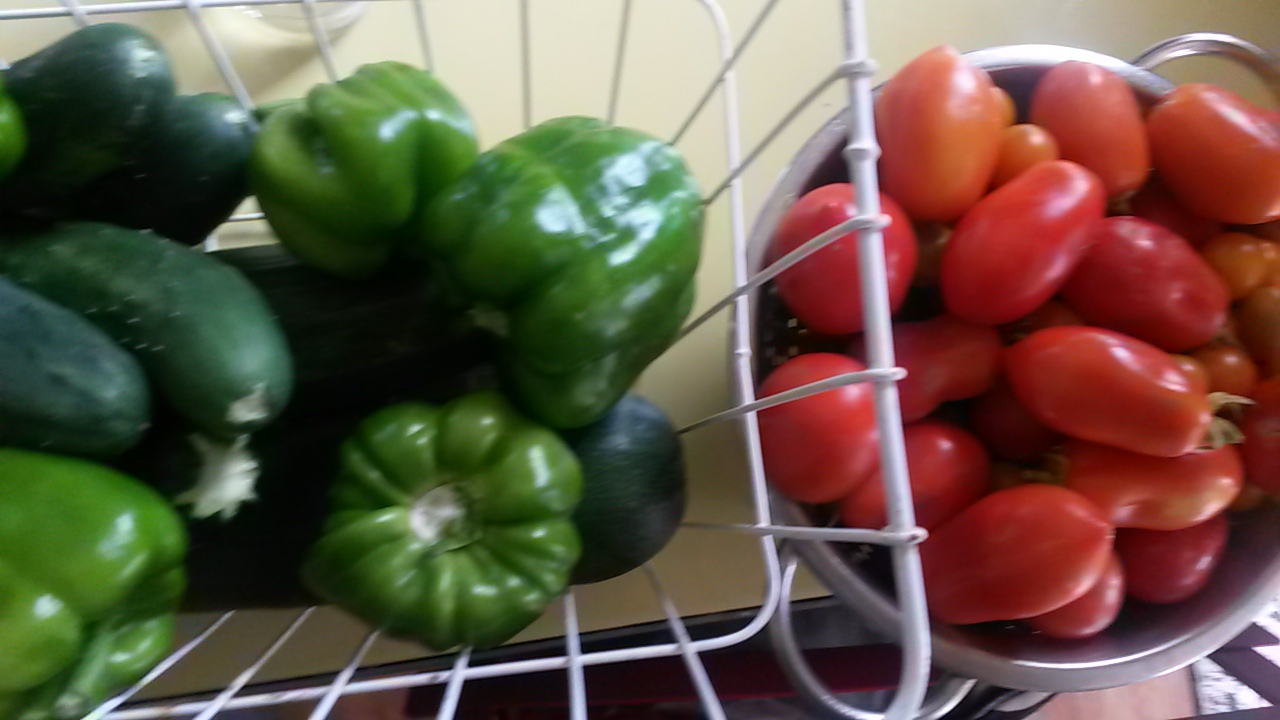
If I stick to a strict vegan-paleo diet, aka Pegan, coined by Dr. Mark Hyman, with no nightshades or alcohol, that is heavy on veggies, gf whole grains, beans and some animal protein and fruit, I have considerably less allergy symptoms, and I can't recall the last time I took an OTC antihistamine.
Seasonal allergy sufferers are on the rise, unfortunately, and beyond the environmental allergens around us, especially in a heavily wooded place like Maine, there are allergy inducing, inflammation triggering foods we eat every day. If we limit our intake of those foods, especially when the environmental ones are high, you have the power to control your own symptoms. It is actually a really cool revelation to have come to this point where I can see directly the foods I eat, the time of year and how by controlling what I eat in the fall and spring actually allows me the ability to not dread the standard seasonal allergy seasons. I can see fall for all it's colors and beauty instead of dreading it for all the pollen and sneezing it used to make me suffer through.
There is great power in knowing your body well enough and knowing that nourishing it with foods that support and sustain health, rather than aggravate and inflame, is amazing. It is amazing to know that if I wake up in the morning and have a congestion and a sneezing fit, all I have to do is look at what I ate the day before to realize what the culprit was.
The ability to recognize your sensitivities and triggers does not happen over night, nor are you able to associate your seasonal allergy symptoms as being triggers by potatoes or gluten or dairy, without first knowing what it feels like to not have those foods in your system, causing potential inflammation.
The journey is challenging, but you don't have do it alone. I find the power of food and the way it makes us feel, in particular to allergies, seasonal and food related, is fascinating. It is a journey everyone should be willing to explore because knowing you have the ability to make yourself feel better just by the food choices you make in a day is powerful. You aren't relying on a pill to temporarily brain-fog-alright the symptoms away. You can learn that by simply removing a trigger for a short period of time can alleviate a multitude of symptoms that you would otherwise have to sniffle, snort, and wheeze and generally feel like crap through.
To learn more about how to control your seasonal allergy symptoms with diet, contact me at alixhealthcoach@gmail.com or visit eatbelivewell.com.
Tuesday, May 10, 2016
Cheat Days
Everyone loves a cheat day! It's the day of the weak that the fat kid inside all of us gets to come out and gorge with the excuse, "Oh, it's okay, It's my cheat day!" as you shove another doughnut in your already full mouth.

It's a day to go hog-wild, eat and drink what you want, of all you have been deprived of all week long.
While I am all for indulgence, I think cheat days are dumb. Yeah, I said it! What!?
I know plenty of diets and people who live for their cheat day. I get it, one day to let loose (well kinda) and eat that which you have been avoiding the remainder of the week. But really all you get is 1 day! One day!? Does no else see this as a major design flaw to massive overconsumption?
If it works for you, great, keep at it, everyone is different. But if you are enticed by a cheat day diet plan, I say don't go there. I think it is ridiculous to restrict a whole week's diet and then indulge on one day. Most people I know who are unsuccessful with cheat day diets are those who eat everything and anything in sight on their cheat day. While I can't say I'm surprised, if you are have wicked cravings all week long and then you get one day, you are gonna eat the whole bag of chips, the whole tub of ice cream, the entire bottle of wine and then some.
Cheat day diets are not addressing the core problem that any fad diet has, which is restrict, restrict until goal weight then gorge, and likely gain more weight than before. Your relationship with food and your weight can't be that up and down; or that indulgent and then super restrictive.
What you eat and the diet you choose to follow should be centered around balance. We should aim for balance in all aspects of our lives, especially around food.
If we only get this one life, are you really going to be satisfied on your death bed because you ate salad every day and were your goal weight your entire life, probably not. That's not what's going to matter at that point. What will matter are the memories with your loved ones around a Thanksgiving dinner table, or enjoying cake as you watched your 1 year grandchild rub frosting in their hair, or the night you got pissant drunk on your girls night out. So what if you were never your goal weight (don't even get me started on scales!!) So what if you are perpetually 5-10 pounds around your "goal weight". At the end of it all, what will matter is if you were happy, if you loved and felt loved, were fulfilled on a soul level and were balanced!
It is actually FAR worse to swing from super "good" to super "bad". To go from a strict vegan diet to I-eat-everything-in-sight cookie monster diet throughout your life. You screw up your metabolism, your cells get all confused and if anything, your body freaks out and holds onto more fat because it is so unsure the next time it is going to get a proper meal. Your immune system, heart, brain and metabolism are all compromised when you eat on a constant pendulum of restrict-gorge.
So rather than aim for a goal weight or to fit into a tight dress for a special event, think long term, think about balance throughout the rest of your life, not just the next few months.

If you are having a craving look at it. Observe it. Question it. But without judgement! That is the hard part for most of us. Think of your craving as if you were an unbiased, third party observer. Ask yourself why you think you might be having a craving for chocolate–you need intimacy in your life? Carbs–you've been sleep deprived for 2 months? Caffeine–maybe a regular workout routine is in order? Alcohol–lets consider your stress levels. Cravings are not bad, they are a clue! Often that clue points to something in your life that is missing in love, relationships, career, movement, or spirituality.
Again balance is key; in your personal needs in life and your food needs. If you can identify a craving as associated with a key aspect in your life, that is huge! To make that connection mentally and emotionally is groundbreaking for many. And if you know fulfilling that craving in a small way will help because at that moment you can physically fulfill that need, then I say, indulge (in moderation).
But that leads me to my last point, it's not about deprivation. Have a glass of wine with dinner out with friends. Enjoy a piece of birthday cake. Eat a bowl of chips. But balance it out. Have balanced meals more often than not. Eat real, whole foods and lots and lots of veggies. Drink green juice. Exercise daily. Find love in your life. Build relationships that are meaningful. Try to like your job more days than you don't, and if you can't, get a new one. Find a way to connect with yourself, nature and your "god" on a regular basis. All these are crucial to leading a balanced life where cheat days shouldn't be the day you look forward to each week.

Live this life, now. Do what you need to find balance and joy, even if that means having a piece of chocolate from time to time (just make sure it is the best damn chocolate you can afford, seriously, quality makes a huge, huge difference!).

While I am all for indulgence, I think cheat days are dumb. Yeah, I said it! What!?
I know plenty of diets and people who live for their cheat day. I get it, one day to let loose (well kinda) and eat that which you have been avoiding the remainder of the week. But really all you get is 1 day! One day!? Does no else see this as a major design flaw to massive overconsumption?
If it works for you, great, keep at it, everyone is different. But if you are enticed by a cheat day diet plan, I say don't go there. I think it is ridiculous to restrict a whole week's diet and then indulge on one day. Most people I know who are unsuccessful with cheat day diets are those who eat everything and anything in sight on their cheat day. While I can't say I'm surprised, if you are have wicked cravings all week long and then you get one day, you are gonna eat the whole bag of chips, the whole tub of ice cream, the entire bottle of wine and then some.
Cheat day diets are not addressing the core problem that any fad diet has, which is restrict, restrict until goal weight then gorge, and likely gain more weight than before. Your relationship with food and your weight can't be that up and down; or that indulgent and then super restrictive.
What you eat and the diet you choose to follow should be centered around balance. We should aim for balance in all aspects of our lives, especially around food.
If we only get this one life, are you really going to be satisfied on your death bed because you ate salad every day and were your goal weight your entire life, probably not. That's not what's going to matter at that point. What will matter are the memories with your loved ones around a Thanksgiving dinner table, or enjoying cake as you watched your 1 year grandchild rub frosting in their hair, or the night you got pissant drunk on your girls night out. So what if you were never your goal weight (don't even get me started on scales!!) So what if you are perpetually 5-10 pounds around your "goal weight". At the end of it all, what will matter is if you were happy, if you loved and felt loved, were fulfilled on a soul level and were balanced!
It is actually FAR worse to swing from super "good" to super "bad". To go from a strict vegan diet to I-eat-everything-in-sight cookie monster diet throughout your life. You screw up your metabolism, your cells get all confused and if anything, your body freaks out and holds onto more fat because it is so unsure the next time it is going to get a proper meal. Your immune system, heart, brain and metabolism are all compromised when you eat on a constant pendulum of restrict-gorge.
So rather than aim for a goal weight or to fit into a tight dress for a special event, think long term, think about balance throughout the rest of your life, not just the next few months.

If you are having a craving look at it. Observe it. Question it. But without judgement! That is the hard part for most of us. Think of your craving as if you were an unbiased, third party observer. Ask yourself why you think you might be having a craving for chocolate–you need intimacy in your life? Carbs–you've been sleep deprived for 2 months? Caffeine–maybe a regular workout routine is in order? Alcohol–lets consider your stress levels. Cravings are not bad, they are a clue! Often that clue points to something in your life that is missing in love, relationships, career, movement, or spirituality.
Again balance is key; in your personal needs in life and your food needs. If you can identify a craving as associated with a key aspect in your life, that is huge! To make that connection mentally and emotionally is groundbreaking for many. And if you know fulfilling that craving in a small way will help because at that moment you can physically fulfill that need, then I say, indulge (in moderation).
But that leads me to my last point, it's not about deprivation. Have a glass of wine with dinner out with friends. Enjoy a piece of birthday cake. Eat a bowl of chips. But balance it out. Have balanced meals more often than not. Eat real, whole foods and lots and lots of veggies. Drink green juice. Exercise daily. Find love in your life. Build relationships that are meaningful. Try to like your job more days than you don't, and if you can't, get a new one. Find a way to connect with yourself, nature and your "god" on a regular basis. All these are crucial to leading a balanced life where cheat days shouldn't be the day you look forward to each week.
Live this life, now. Do what you need to find balance and joy, even if that means having a piece of chocolate from time to time (just make sure it is the best damn chocolate you can afford, seriously, quality makes a huge, huge difference!).
Monday, May 2, 2016
To Supplement or To Not Supplement
Dietary supplements are debated. Do? Don't do? Necessary? Not necessary?
I think everyone is different and everyone has unique needs. Rather than base your dietary supplement decisions on articles or blog posts, experiment for yourself. Curious about adding a supplement to your daily regimen, then try it out for a few weeks. Most natural vitamins and supplements will only do good, however, if you are on some prescription medications check with your doctor first before experimenting with dietary supplements, there are some supplements that don't mix well with medications.
I am a firm believer in dietary supplements. I take a handful of supplements daily. Even though I eat a very veggie heavy, balanced diet, of almost all organic produce, I feel supplements make a significant impact in my overall wellbeing and general feeling of good health. I also load up when I am feeling run down or a possible cold coming on, often kicking it in the butt before I become a gooey mess.
The argument is that if you are eating well and enough of a balanced diet then you should not need to supplement with dietary vitamins, minerals and supplements. I disagree. Food is just not as nutrient rich as it once was. With such a large population to feed and depleting the natural resources of the soil, unfortunately veggies don't have the same vitamin and mineral profile they once did. Again this is where buying organic and/or growing your own veggies is greatly beneficial; more nutrients. Even if you are an avid juicer like myself, still, you are probably not reaching your daily needs for most essential vitamins and minerals. (Check out https://www.reviews.com/juicer/ for a helpful juicer review.)
Yes, foods nowadays are fortified with vitamins and minerals. However, if it is fortified, it means a few things: 1) it is likely highly processed 2) it likely is coming out of a container of some kind 3) the naturally occurring vitamins, minerals, etc. were probably stripped out during the preservation process 4) foods consumed as close to as how they come from the earth don't need to be fortified. Fortification sounds like a good thing, but it's not. Your vitamins and minerals occurring in your foods shouldn't require a label, just a glorious color–green, yellow, orange, purple, red–eat your colors = lots of naturally occurring vitamins, minerals, supplemental goodness.
So with that understanding of doing your best to eat really nutrient dense, colorful veggies and fruits, with a few superfoods sprinkled in, you will be well on your way to getting more goodness than most.
I have read many articles and books on this topic, because it is of interest to me, and like I mentioned above, I am always willing to try a new supplement and see how it affects me. Here is a list of supplements everyone should be taking daily. While it is still debated, there is increasing evidence that everyone needs, and is severely deficient in this areas, so if nothing else, try adding this supplements to your diet for a month and see how they make you feel. It's a good rule of thumb to add one supplement/vitamin at a time. This will give you a clear representation of if the supplement is working for you or not.
10-20billion CFU probiotic (preferably the refrigerated kind)
If nothing else, add these bad boys into your daily regimen and notice the difference in how you feel.
Another tip, which may sound odd, but I swear...Listen. To. Your. Body. I only take supplements when I resonate with them. I know, I know, that sounds wonky, but it is true. I will hold the supplement in my hand before I take it. And I tune into my body. If I have a general icky feeling or no feeling at all, I won't take the supplement. I take this as my body's way of telling me I don't need it. Sometimes if you take the same supplements everyday you can hit a point where you have sufficient levels, it's okay to back off. Listen to your body. Hold your supplement in your hand, tune in and your body will let you know if you need it or not. You don't have to be super rigid about your daily supplement and vitamin intake, trust your intuition, don't be afraid to experiment with your body and see what is working for you and what isn't.
That leads into one last point, when adding new supplements, vitamins and minerals into your life, first do your research, figure out why you want to take something, what are the benefits, what are the side effects, could you be getting that from food? But know, sometimes you will get digestive upset when adding a new supplement to your life. This is normal and should clear up pretty quickly. With added fiber you may get gassy. Some supplements may give you the runs. Others may make you feel woozy when not taken with food. Don't exceed the recommended dosage on the container and it is always a good rule to take your supplements with food (expect probiotics, take those on an empty stomach, like first thing in the morning, to let them work their full magic). If your digestive upset doesn't clear up in a few days, stop taking the supplement. This is where introducing new supplements one at a time will help you easily identify the culprit of the upset. I tried taking a resveratrol supplement for a while and I would immediately get diarrhea. I have allergic reactions to drinking red wine, I thought, I will get the benefits from the capsule, nope, the diarrhea was immediate. So I stopped taking them. You can try to find a different brand, or maybe if you tune in, your body will tell you, "Nah, I don't really need that." So listen.
Here are the other supplements I use in my daily life, in case you are curious. If you are curious as to why I take these, you can contact me alixhealthcoach@gmail.com or visit eatbelivewell.com for more info:
Magnesium Glycenate - an essential mineral many are deficient in
Quercetin - nature's antihistamine, great for allergy sufferers
Vitamin D - a must if you live in the Northeast
Turmeric - anti-inflammatory
Probiotics - happy gut
Superfoods. Sprinkle them on your salad. Add them to a smoothie. They are awesome! You need these in your life:
Chia seeds
Flax seeds
Hemp seeds
Flax oil
Liquid minerals
Spirulina
Chlorella
Bee pollen
Freeze dried organic greens or JuicePlus
Potato starch - natural resistant starch
I think everyone is different and everyone has unique needs. Rather than base your dietary supplement decisions on articles or blog posts, experiment for yourself. Curious about adding a supplement to your daily regimen, then try it out for a few weeks. Most natural vitamins and supplements will only do good, however, if you are on some prescription medications check with your doctor first before experimenting with dietary supplements, there are some supplements that don't mix well with medications.
I am a firm believer in dietary supplements. I take a handful of supplements daily. Even though I eat a very veggie heavy, balanced diet, of almost all organic produce, I feel supplements make a significant impact in my overall wellbeing and general feeling of good health. I also load up when I am feeling run down or a possible cold coming on, often kicking it in the butt before I become a gooey mess.
The argument is that if you are eating well and enough of a balanced diet then you should not need to supplement with dietary vitamins, minerals and supplements. I disagree. Food is just not as nutrient rich as it once was. With such a large population to feed and depleting the natural resources of the soil, unfortunately veggies don't have the same vitamin and mineral profile they once did. Again this is where buying organic and/or growing your own veggies is greatly beneficial; more nutrients. Even if you are an avid juicer like myself, still, you are probably not reaching your daily needs for most essential vitamins and minerals. (Check out https://www.reviews.com/juicer/ for a helpful juicer review.)
Yes, foods nowadays are fortified with vitamins and minerals. However, if it is fortified, it means a few things: 1) it is likely highly processed 2) it likely is coming out of a container of some kind 3) the naturally occurring vitamins, minerals, etc. were probably stripped out during the preservation process 4) foods consumed as close to as how they come from the earth don't need to be fortified. Fortification sounds like a good thing, but it's not. Your vitamins and minerals occurring in your foods shouldn't require a label, just a glorious color–green, yellow, orange, purple, red–eat your colors = lots of naturally occurring vitamins, minerals, supplemental goodness.
So with that understanding of doing your best to eat really nutrient dense, colorful veggies and fruits, with a few superfoods sprinkled in, you will be well on your way to getting more goodness than most.
I have read many articles and books on this topic, because it is of interest to me, and like I mentioned above, I am always willing to try a new supplement and see how it affects me. Here is a list of supplements everyone should be taking daily. While it is still debated, there is increasing evidence that everyone needs, and is severely deficient in this areas, so if nothing else, try adding this supplements to your diet for a month and see how they make you feel. It's a good rule of thumb to add one supplement/vitamin at a time. This will give you a clear representation of if the supplement is working for you or not.
10-20billion CFU probiotic (preferably the refrigerated kind)
- Probiotics and gut health are a hot topic right now, as it should be. The living microbiome we all have in our guts are our immune system hub. If they are not happy you are not happy. The slew of angry microbiome symptoms is long and wide. If you have ANY digestive issues, and even if you don't, add probiotics to your daily life. If you have brain fog, lethargy, general meg-ness, add probiotics to your life. They will make a noticeable difference. Promise! You can get probiotics from fermented foods like kefir, sauerkraut and kimchee, but why not do both and take a high CFU capsule everyday too. Your mind, gut and butt will thank you.
Vitamin D3
- Almost everyone, seriously everyone, is Vitamin D deficient. Even the recommended USDA 1,000-2,000 IUD/day is probably too low for most, especially in the winter, especially if you live a colder, darker climate. Vitamin D deficiencies can manifest in depression, lethargy, anxiety, the list keeps going. I would say start with the upper recommended dose of 2,000 IUD/day and experiment from there. I have read some even suggest upwards of 10,000 (!) IUD/day. Do what works for you, but make sure you have a VitD supplement in your daily life regardless of where you live, also make sure it is gel capsule, which is better absorbed.
A daily multi-vitamin
- You want something that is well rounded and has a high percentage of your daily recommended intake for vitamins and minerals. I personally like the Solaray brand for many of my supplement needs.
Omega 3s
- Again a huge laking here for most people of these healthy fats. Good fats make your hair shiny, skin clearer, helps lubricate everything from joints to, brain synapses to bowel movements. Most diets are skewed in ratio of Omega 6s to Omega 3s. Omega 3s are the good fats and are naturally occurring in cold water fish, walnuts, flax seeds, chia seeds and so much more. Either take a supplement and, better yet, take a supplement and add these awesome superfoods to your daily diet too (I love to throw all my O3s in my mornings smoothie)
Dietary Fiber
- It is recommended that we need 25g-38g (women vs men) of fiber everyday. You know what, most of us aren't getting that with the things we eat. So double up here. Eat lots of veggies, fruits, gluten free whole grains that all have naturally occurring fiber AND take a supplemental dietary fiber. Your bowel movements will never be the same.
Turmeric
- Turmeric is a natural anti-inflammatory. It is a spice commonly used in Indian cuisine. It gives curries that bright yellow-orange color. Turmeric is nature's ibuprofen. I have noticed a huge different in my general inflammation and body achy-ness, especially after a strenuous workout by adding turmeric to my daily supplement list.
If nothing else, add these bad boys into your daily regimen and notice the difference in how you feel.
Another tip, which may sound odd, but I swear...Listen. To. Your. Body. I only take supplements when I resonate with them. I know, I know, that sounds wonky, but it is true. I will hold the supplement in my hand before I take it. And I tune into my body. If I have a general icky feeling or no feeling at all, I won't take the supplement. I take this as my body's way of telling me I don't need it. Sometimes if you take the same supplements everyday you can hit a point where you have sufficient levels, it's okay to back off. Listen to your body. Hold your supplement in your hand, tune in and your body will let you know if you need it or not. You don't have to be super rigid about your daily supplement and vitamin intake, trust your intuition, don't be afraid to experiment with your body and see what is working for you and what isn't.
That leads into one last point, when adding new supplements, vitamins and minerals into your life, first do your research, figure out why you want to take something, what are the benefits, what are the side effects, could you be getting that from food? But know, sometimes you will get digestive upset when adding a new supplement to your life. This is normal and should clear up pretty quickly. With added fiber you may get gassy. Some supplements may give you the runs. Others may make you feel woozy when not taken with food. Don't exceed the recommended dosage on the container and it is always a good rule to take your supplements with food (expect probiotics, take those on an empty stomach, like first thing in the morning, to let them work their full magic). If your digestive upset doesn't clear up in a few days, stop taking the supplement. This is where introducing new supplements one at a time will help you easily identify the culprit of the upset. I tried taking a resveratrol supplement for a while and I would immediately get diarrhea. I have allergic reactions to drinking red wine, I thought, I will get the benefits from the capsule, nope, the diarrhea was immediate. So I stopped taking them. You can try to find a different brand, or maybe if you tune in, your body will tell you, "Nah, I don't really need that." So listen.
Here are the other supplements I use in my daily life, in case you are curious. If you are curious as to why I take these, you can contact me alixhealthcoach@gmail.com or visit eatbelivewell.com for more info:
Magnesium Glycenate - an essential mineral many are deficient in
Quercetin - nature's antihistamine, great for allergy sufferers
Vitamin D - a must if you live in the Northeast
Turmeric - anti-inflammatory
Probiotics - happy gut
Superfoods. Sprinkle them on your salad. Add them to a smoothie. They are awesome! You need these in your life:
Chia seeds
Flax seeds
Hemp seeds
Flax oil
Liquid minerals
Spirulina
Chlorella
Bee pollen
Freeze dried organic greens or JuicePlus
Potato starch - natural resistant starch
Subscribe to:
Posts (Atom)