The holiday season is challenging on every one's diet and health management, especially for those of us with food restrictions. Restricted either by choice or necessity, the holidays challenge your every food decision. There are so many social events, holiday parties, foods you only eat once a year (so you excuse eating them because it is that one time you will), excess alcohol (hey, it is celebratory), sweets, dairy, meat galore, you name it is there and it is tempting and calling your name; and try as you might to be strong, girl, you gonna cave. Don't feel bad, we all do.
Holiday menus are aimed to please a crowd, tempting most every one's inner glutinous-self, but completely alienating vegetarian, non-lactose, non-processed, non-gluten, non-sugar, non-whatever eating people. When have you ever been to a party with tempeh, collard wraps, chia pudding and green juice, yeah, not so festive, eh?
I struggle with the need to be festive and involved, but also know that my intestines, stomach and bowel movements will suffer. So I balance that teeter totter at most get togethers. If you are anything like me, inevitably, you will falter and stray from your regular eating routine, maybe even you exercise routine as well, in the spirit of the season.
I can only stray so far and so often before it catches up to me. At first I have no reaction and I deceivingly think "oh yeah, I can keep indulging," and do; but then inevitably the flatulence starts. If you are lactose intolerant you know that belly retching and nostril burning flatulence that comes when you slip and eat something from the cheese platter, or mistake a cheese sauce for a non-dairy white sauce, first comes the stinky, room clearing farts (hopefully you have people who love you anyway, despite your stinkyness, and hopefully the gas doesn't start until you leave the party). Then comes the cravings. Ever notice the worse you eat the more you want bad food? Did you know it is designed that way? It is called food science and food snackability (damn scientists playing with our yummy factor weaknesses). I am all for giving into a craving normally, within reason. But the reality of it is, the cleaner you eat the less your cravings will be for "bad" things. You will actually crave the foods that nourish, sustain and make you feel better. Because feeling good is actually contagious and once you know the difference all you want to do is stay on the feeling good side. When I slip, even just once or twice, I notice my stomach and whatever other chemical make up inside me, says "ooh, just one more," or "you've been good, go ahead." For me this voice doesn't exist most of the time, only when I find myself in a food rut with too many deviations, which unfortunately happens around the holidays.
My eating routine was initially thrown off with my trip to Spain, which again is inevitable. Try as you might, traveling throws off your eating, sleeping and exercise patterns, getting them back can be challenging. Having holidays back-up into your return from a trip is even more challenging. Who knew? Only in hindsight I guess...
I have been deviating enough that I have gone through all my warning signs my body provides to alert me it is not happy. I can ignore them, which we all do at some time (or maybe some of us never knew that they were signs at all...start listening), but ignoring will eventually cause me great discomfort. First comes the stinky gas, then the weird cravings, then the mood swings (everybody annoys me, I want to be alone all the time, only a glass of wine makes a crappy day better, work is extra stressful...), then the desire to not want to exercise kicks in. Then the "bottomless pit syndrome" happens, which is the feeling I get when I am eating substance lacking foods, so I am hungry all the time and even after I just finished eating, I want to eat more. Which is also coupled with overeating on a regular basis. I never overeat when I am eating balanced and clean. I detest the feeling of being full, especially overly full, where you can feel the food in your throat. Normally I eat just to that satiated feeling and stop, actually erring on the side of still slightly hungry. But when I am bulldozing through my body warnings, I eat, eat and then eat some more, often feeling icky after. Then comes the irregular bowel movements due to all the overeating and odd foods, first diarrhea, coupled with some face pimples, the kind that are red and hurt; then comes the irritability and restless sleeping. Lastly is the constipation. The funny thing is, as well as I know the sequence of symptoms, I still ignore them from time to time.
A little rant - sometimes, especially during the holidays, it would be nice to eat whatever the hell I want. To indulge in all the glutenous treats, cheese, creamy-whatevers, meats, dips, boozeyness that the holidays perpetuate. It would be nice to get 1 month or even 1 week to go hog wild. I mean sure I can do this, and sometimes, like now, I push it too far, and I feel the miserable repercussions, making it SO not worth it. But sometimes, just sometimes, it would be nice.....
But you know what, the reality is that I want to always feel good, vibrant, healthy, capable, strong and in tune with my body. It not have those things is not worth the sacrifice of any food indulgence, for 1 day even. I always regret it the next day, because I know the value and the difference of feeling better by eating better.
So what do I do when I have gone through all the warning signs, ignoring them along the way, leading to miserableness. I go cold turkey. I know better and I know my body prefers better, so I eat the things to bring me back to center. I always start with a juice cleanse for 3 days. Halting all the discomfort and press all my own super green, super sludgy, super nasty juices and drink lots of ginger tea and water. The 3 day juice cleanse gets my mind and my body out of the over indulgent holiday food gutter. It clears my head, my skin, my bowel movements. My sleep is regulated again and is restful. For me, a juice cleanse is like hitting the reset button. It rejuvenates my tortured body. The first day is normally excruciating. Coming off my indulgent food hormonal roller coaster, not continuing to give into that gremlin-feed-me-voice is tough. And for whatever reason green juice tastes particularly nasty the first day of a cleanse (well that, and the last day, ha). But I know I will wake in the morning feeling 50% better than I did today. And the next 100%.
With my immediate juice cleanse also comes a clarity of mind and restoring self, and the days, weeks prior, where I juggled wine yoga, wine yoga, and most likely defaulted to wine, is immediately erased. Yoga and juice cleanses go hand in hand and with one you want the other, even when you force one. They both are so centering and nourishing that it reminds you why you choose this path as part of your usual health and wellness balance.
So here's a cheers with my green juice to the holidays. May yours be festive and bright, but remember your green juice and yoga. Try to maintain a sense of balance and don't over indulge. Or do, then here me say, "I told you so" (learn from my constipation), then do a juice cleanse.
Friday, December 5, 2014
Wednesday, November 19, 2014
Tricks for Traveling Internationally with Food Allergies
I recently traveled internationally for the first time since being gluten and lactose free. Last time I travelled internationally I enjoyed baguettes, croissants, cheeses, meats and food galore in France. I knew I would enjoy taking photos of such things this time around, but my days of eating foreign cuisine with abandon is no longer. I have done plenty of domestic travel, which I have figured out tricks and my rhythm. I knew I could translate those tricks, but international travel posed a bigger challenge, mostly a language barrier. At first I was nervous, given the language barrier and the fact that I also choose vegetarianism on top of the necessity of being gluten and lactose free; and I was traveling to Spain, meat, cheese, bread erryday, erry meal-land.
Traveling as a whole, poses dietary problems: eating out often, eating when food is available due to travel limitations and not knowing when your next resources will be be available, eating odd things (gotta try the local cuisine), eating because you are starving, or tired of walking. You name it, all natural food rhythms and habits are thrown off whack – not even considering time changes, body rhythm changes, irregular bowel movements, too much sitting, a lot of walking... Traveling asks a lot of you and your natural rhythm. But that is part of the excitement of travel; it expands you, changes your perspective, offers an alternative to what you know, and asks a lot of you in different ways that your day to day life doesn't. I think that is why we all endure the heinousness of travel, small airplane seats, crappy airplane/airport food, airports as a whole, mass-transit – because travel makes us better, more empathic and understanding, people.
Traveling anywhere, but specifically to a foreign country, I upped the ante of my traveling arsenal. I normally pack snacks, supplements and fiber galore when I travel anywhere, this time we packed more. Snacks included: raw almonds, hard boiled eggs, dried fruits, carrots, raw goji chunks, almond butter sandwiches on gf bread, fresh fruit. Supplements included: probiotics, ground flaxseed, flaxseed oil, liquid minerals, chia seeds, phsyllium husk, Vitamin D, C, B, activated charcoal in case of upset stomach, necessities we knew we would not easily find while traveling. I always take more supplements than I would at home when I travel just because I know I am not eating as balanced of a diet and also some lose their potency, i.e. probiotics, due to the lack of regular refrigeration. So up the volume to ensure you get the true benefits of your supplements.
I also did my research before we left. I looked into popular Spanish foods and their typical preparation. Part of my saving grace eating out at home is I love food and I have tried to cook many different types of foods. I often know how a dish is traditionally prepared. With an English menu I can normally breakdown the preparation, a Spanish menu is a whole 'nother story! I know very little Spanish, and even then it is Southern Californian Mexican-Spanish. As I learned Spanish-Spanish and Mexican-Spanish are not the same. I could deduce some words with my many years of French, but still, not really. I figured knowing popular Spanish dishes would be helpful: case in point, gazpacho in Spain is made with bread in it - who knew? Whenever I have had gazpacho or the many instances I make it with the glut of the tomato season, I never put bread in it. Glad I learned that the easy way! Research is always a good thing. I bought The Gluten-Free Guide to Spain by Maria Ann Roglieri, PhD, as a safety precaution, but only read it before I traveled. I never opened it there, nor referenced it. And what info it provided I found with an hour or so of Google searching and familiarizing myself with the Spanish cuisine. Save the luggage space.
 The two crucial things I learned were: "Yo soy celiaco" and "Sin gluten". While I have never been tested for celiac disease I am fairly certain I am, just by my incredible sensitivity now. I can't even open a bag of regular flour without sneezing and getting an itchy throat and eyes. I figured "yo soy celiaco" (I am celiac) wound indicate the severity of my allergy without any room for error. I also brought a food allergy card, which many websites recommend as back up, but I never felt the need to use it. Knowing how to say I have celiac disease in the language lead me in the safest direction each time.
We found most people understood and were extremely accommodating when we said "yo soy celiaco." Sometimes they would ask does that mean "sin gluten?" Waitstaff were accommodating, between their rough English and our very rough Spanish they helped us navigate menus and even ordered off the menu for us. We had some incredible meals with tons of vegetables and plenty of garlic and olive oil (they are not shy with either, which we loved – like home cooking). Gluten seemed to be confused with dairy, corn and oddly potatoes. But all in all, we had no adverse reactions while traveling in Spain. Phew!
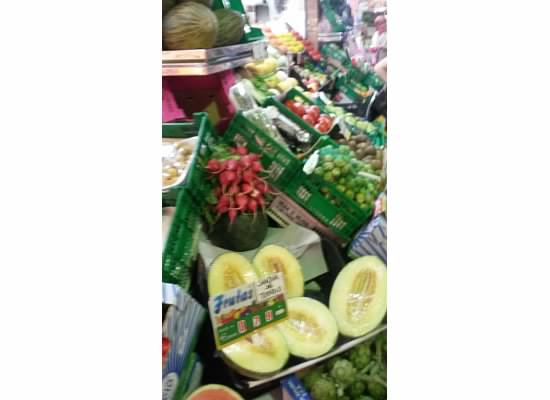 The other of way of controlling your limited diet while traveling is to not eat out for every meal, but to find a nearby grocery store or market and stock up on foods you know you can eat with no problem. Albeit you might get bored of the same things after a week or more, at least you know what you are eating. Spain had beautiful outdoor markets – mercados – filled with fresh fruits, veggies, meats, cheeses, seafood, you name it. They were amazing! We never ate breakfast out. We would stock up on plain greek yogurt, incredibly delicious fresh fruit (the fruit in Spain is amazing) and raw nuts. We would get items to tie us over in case we didn't want to venture out after a long day of exploring, exhausted, struggling to navigate a menu in a foreign language. We would get veggies galore: tomatoes, carrots, peppers, onions; fruit: grapes, bananas, apples (for my gf traveling companion, I can't eat apples or any stone fruit), citrus. We got many different kinds of nuts and dried fruit; some goat cheeses, which I have minimal reactions to. Luckily we found a Mediterranean packaged brand of Spanish vegetarian foods with a very clean ingredient list. They were marked with the European gluten free symbol. We started with trepidation, eating only small amounts waiting for reactions, but when they didn't come we enjoyed spinach with chickpeas and roasted peppers and artichokes in oil with abandon. These were a nice find that made our grocery store meals feel more complete.
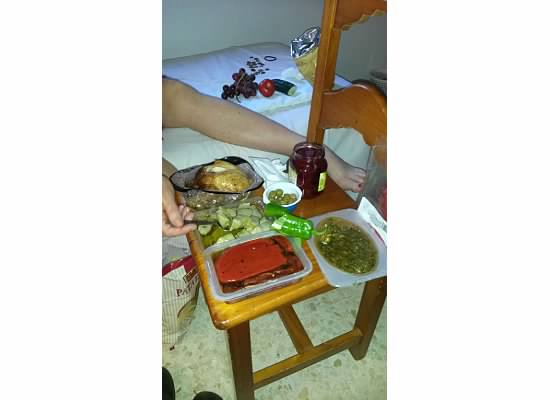 I have to say traveling with a gluten free, vegetarian and health-conscious-minded friend made all the difference in the world. We understood each other's limitations. We could navigate menus together, putting our butchered Spanish together to make sense of items. Being with someone who placed importance on having provisions to tide us over was so nice. There was never a struggle of hunger and exhaustion, while trying to navigate a foreign menu, with very limited options for a gf, lf, vegetarian diner – forcing a meal out, which inevitably leads to poor choices and possible allergic reactions.
Eating vegetarian was also easier than I expected. I had read before we left that Spanish think a dish is vegetarian even if it includes pork "for flavoring". We were able to eat little to no meat while we were there, mostly fish and at towards the end of the trip we purchased a small roasted chicken (I think we were looking for something comforting and substantial). We never experienced a lacking of fresh vegetables and vegetarian options. We consciously chose simple vegetable dishes to avoid hidden unknowns. I tried some of the cured meats, risky I know, but Spain is known for their Iberica jamon and cured meats, I felt I had to at least try a little. I was able to find some "sin gluten," which was reassuring. And yum!
All in all, traveling internationally was less daunting that expected being a special-needs-diner. Doing research prior to traveling on traditional cuisine in the area and relying on grocery store and market finds, as go-to provisions, allowed us the flexibility to explore and enjoy without the concern of not being able to eat a clean meal. Preparedness and a willingness to eat simply allows for enjoyable traveling experiences. And as much as I love food and I can't indulge in all the delicacies of a foreign country's cuisine like I used to, I was still able to navigate and eat smart, yet still get a sense of the delicious cuisine of the country.
Traveling as a whole, poses dietary problems: eating out often, eating when food is available due to travel limitations and not knowing when your next resources will be be available, eating odd things (gotta try the local cuisine), eating because you are starving, or tired of walking. You name it, all natural food rhythms and habits are thrown off whack – not even considering time changes, body rhythm changes, irregular bowel movements, too much sitting, a lot of walking... Traveling asks a lot of you and your natural rhythm. But that is part of the excitement of travel; it expands you, changes your perspective, offers an alternative to what you know, and asks a lot of you in different ways that your day to day life doesn't. I think that is why we all endure the heinousness of travel, small airplane seats, crappy airplane/airport food, airports as a whole, mass-transit – because travel makes us better, more empathic and understanding, people.
Traveling anywhere, but specifically to a foreign country, I upped the ante of my traveling arsenal. I normally pack snacks, supplements and fiber galore when I travel anywhere, this time we packed more. Snacks included: raw almonds, hard boiled eggs, dried fruits, carrots, raw goji chunks, almond butter sandwiches on gf bread, fresh fruit. Supplements included: probiotics, ground flaxseed, flaxseed oil, liquid minerals, chia seeds, phsyllium husk, Vitamin D, C, B, activated charcoal in case of upset stomach, necessities we knew we would not easily find while traveling. I always take more supplements than I would at home when I travel just because I know I am not eating as balanced of a diet and also some lose their potency, i.e. probiotics, due to the lack of regular refrigeration. So up the volume to ensure you get the true benefits of your supplements.
I also did my research before we left. I looked into popular Spanish foods and their typical preparation. Part of my saving grace eating out at home is I love food and I have tried to cook many different types of foods. I often know how a dish is traditionally prepared. With an English menu I can normally breakdown the preparation, a Spanish menu is a whole 'nother story! I know very little Spanish, and even then it is Southern Californian Mexican-Spanish. As I learned Spanish-Spanish and Mexican-Spanish are not the same. I could deduce some words with my many years of French, but still, not really. I figured knowing popular Spanish dishes would be helpful: case in point, gazpacho in Spain is made with bread in it - who knew? Whenever I have had gazpacho or the many instances I make it with the glut of the tomato season, I never put bread in it. Glad I learned that the easy way! Research is always a good thing. I bought The Gluten-Free Guide to Spain by Maria Ann Roglieri, PhD, as a safety precaution, but only read it before I traveled. I never opened it there, nor referenced it. And what info it provided I found with an hour or so of Google searching and familiarizing myself with the Spanish cuisine. Save the luggage space.
The two crucial things I learned were: "Yo soy celiaco" and "Sin gluten". While I have never been tested for celiac disease I am fairly certain I am, just by my incredible sensitivity now. I can't even open a bag of regular flour without sneezing and getting an itchy throat and eyes. I figured "yo soy celiaco" (I am celiac) wound indicate the severity of my allergy without any room for error. I also brought a food allergy card, which many websites recommend as back up, but I never felt the need to use it. Knowing how to say I have celiac disease in the language lead me in the safest direction each time.We found most people understood and were extremely accommodating when we said "yo soy celiaco." Sometimes they would ask does that mean "sin gluten?" Waitstaff were accommodating, between their rough English and our very rough Spanish they helped us navigate menus and even ordered off the menu for us. We had some incredible meals with tons of vegetables and plenty of garlic and olive oil (they are not shy with either, which we loved – like home cooking). Gluten seemed to be confused with dairy, corn and oddly potatoes. But all in all, we had no adverse reactions while traveling in Spain. Phew!
The other of way of controlling your limited diet while traveling is to not eat out for every meal, but to find a nearby grocery store or market and stock up on foods you know you can eat with no problem. Albeit you might get bored of the same things after a week or more, at least you know what you are eating. Spain had beautiful outdoor markets – mercados – filled with fresh fruits, veggies, meats, cheeses, seafood, you name it. They were amazing! We never ate breakfast out. We would stock up on plain greek yogurt, incredibly delicious fresh fruit (the fruit in Spain is amazing) and raw nuts. We would get items to tie us over in case we didn't want to venture out after a long day of exploring, exhausted, struggling to navigate a menu in a foreign language. We would get veggies galore: tomatoes, carrots, peppers, onions; fruit: grapes, bananas, apples (for my gf traveling companion, I can't eat apples or any stone fruit), citrus. We got many different kinds of nuts and dried fruit; some goat cheeses, which I have minimal reactions to. Luckily we found a Mediterranean packaged brand of Spanish vegetarian foods with a very clean ingredient list. They were marked with the European gluten free symbol. We started with trepidation, eating only small amounts waiting for reactions, but when they didn't come we enjoyed spinach with chickpeas and roasted peppers and artichokes in oil with abandon. These were a nice find that made our grocery store meals feel more complete.I have to say traveling with a gluten free, vegetarian and health-conscious-minded friend made all the difference in the world. We understood each other's limitations. We could navigate menus together, putting our butchered Spanish together to make sense of items. Being with someone who placed importance on having provisions to tide us over was so nice. There was never a struggle of hunger and exhaustion, while trying to navigate a foreign menu, with very limited options for a gf, lf, vegetarian diner – forcing a meal out, which inevitably leads to poor choices and possible allergic reactions.Eating vegetarian was also easier than I expected. I had read before we left that Spanish think a dish is vegetarian even if it includes pork "for flavoring". We were able to eat little to no meat while we were there, mostly fish and at towards the end of the trip we purchased a small roasted chicken (I think we were looking for something comforting and substantial). We never experienced a lacking of fresh vegetables and vegetarian options. We consciously chose simple vegetable dishes to avoid hidden unknowns. I tried some of the cured meats, risky I know, but Spain is known for their Iberica jamon and cured meats, I felt I had to at least try a little. I was able to find some "sin gluten," which was reassuring. And yum!
All in all, traveling internationally was less daunting that expected being a special-needs-diner. Doing research prior to traveling on traditional cuisine in the area and relying on grocery store and market finds, as go-to provisions, allowed us the flexibility to explore and enjoy without the concern of not being able to eat a clean meal. Preparedness and a willingness to eat simply allows for enjoyable traveling experiences. And as much as I love food and I can't indulge in all the delicacies of a foreign country's cuisine like I used to, I was still able to navigate and eat smart, yet still get a sense of the delicious cuisine of the country.

Sunday, November 9, 2014
Page Turners - Books You Must Read: Grain Brain
I am always doing research. I love information. I love learning all sides of a topic. I love getting as much information before I make my own decisions. I constantly source details, articles, documentaries, forums, blogs and books about nutrition, health, exercise and wellness. These subjects fascinate me and are huge passions in my life.
I read nutrition books like people read suspenseful detective novels. Staying up late into the night waning drowsiness just to see what will be on the next pages, or struggling to keep my eyes open just to finish the chapter.
I find the study of our bodies, how they move, how they digest, process, retain, obtain, learn, injure, cure.....I find food interesting from cooking, to eating, to allergies, to traditional cultures, evolutionary change, scientific changes, the more information I find about these topics the more I want to know. And Kindle is great because it is always recommending similar books to the one I just read. If I had all the time in the world I would read and write (well and maybe, do some yoga and cook) all day every day.
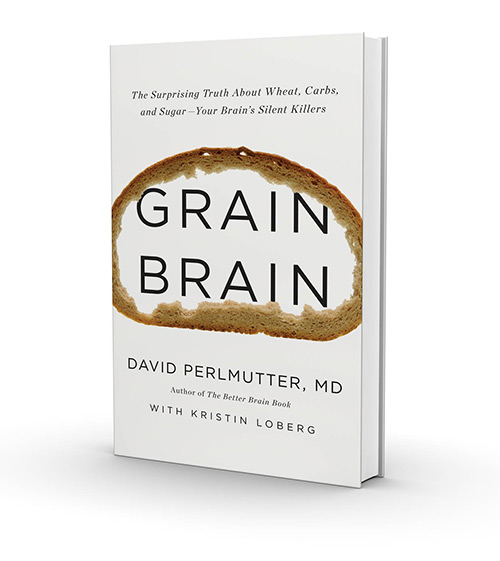
I just finished Grain Brain by David Perlmutter, MD. I couldn't put it down and then when I did, all I wanted to do was talk about it and tell everyone what I just learned.
While many of the topics covered I knew or had read about on the periphery. The detail and range of topics Perlmutter covers is mind-blowing. I always assumed gluten had great adverse affects for those who ignore it and those you have a mental incapacity already, but to read from a neurologist the devastating effect gluten has on most brains from diabetes to ADHD to schizophrenia to Alzheimer's was just amazing. It was interesting to read scientific evidence and from a doctor in the current healthcare system debunking what so many of us, our government included, hold true. I have always been flabbergasted by the disconnect between health care and nutrition, like there are not seemingly related, but Perlmutter points out the ludicrous nature and practice of our current healthcare system. It was so refreshing to hear someone from within the industry to come out, against pharmaceuticals, against big agribusiness, even the government to say how we have been doing is wrong, and trajectory we are on, and is even recommended, is actually killing us and making us sicker. Hallelujah! Finally someone said it, and someone with clout.
Alternative medicine has been saying this for years, quietly and in it's own way. You kind of had to source it out yourself. If you have chosen or even happened upon alternative medicine for your own healthcare needs, you know. You know first hand how crucial nutrition is to everything we do, from sleep, to defecation, to consumption, to mental stability and focus, to sex drive, you name it, nutrition plays a role in everything we do. And we need our bodies to do these things. In order to do them well and with enjoyment, we have to fuel our bodies with good, whole, organic, natural, real foods, not the foods we have been told to eat.
I would recommend reading Grain Brain to anyone. Even if you are already living an "alternative lifestyle," but since when did real food, that you can find locally or better yet grow yourself, become "alternative"? Eating food that comes in packages, in a cardboard box or wrapped in plastic and has no identifying feature that it came from the Earth, IS alternative. It is like we are eating "space food" yet making it our everyday lives. Even if you are already gluten free or even toying with going gluten free for your own health needs, this book is eye opening. I learned a lot and I have now added my mental and brain health to the list of priorities on my wellness journey. I've specifically added some of Perlmutter's recommended supplements to my daily routine.
Fascinating excerpts from Grain Brain (of which there are a plethora) (Just go read the book!):
Grain Brain is eye opening.
Go read it now!
(Because I have to jump from one page turner to the next, and Kindle so kindly recommended it, I have started Wheat Belly by William Davis, MD. I am 4 chapters in and I am already amazed by the history of wheat and how much it has changed over time because of human modifications. The wheat consumed thousands of years ago is not even remotely the same wheat we eat today. And this really makes you wonder why we are seeing a correlation between this "new" genetically modified grain and an increase in obesity and many diseases? Oh I just can't wait! Report back later.)
I read nutrition books like people read suspenseful detective novels. Staying up late into the night waning drowsiness just to see what will be on the next pages, or struggling to keep my eyes open just to finish the chapter.
I find the study of our bodies, how they move, how they digest, process, retain, obtain, learn, injure, cure.....I find food interesting from cooking, to eating, to allergies, to traditional cultures, evolutionary change, scientific changes, the more information I find about these topics the more I want to know. And Kindle is great because it is always recommending similar books to the one I just read. If I had all the time in the world I would read and write (well and maybe, do some yoga and cook) all day every day.
I just finished Grain Brain by David Perlmutter, MD. I couldn't put it down and then when I did, all I wanted to do was talk about it and tell everyone what I just learned.
While many of the topics covered I knew or had read about on the periphery. The detail and range of topics Perlmutter covers is mind-blowing. I always assumed gluten had great adverse affects for those who ignore it and those you have a mental incapacity already, but to read from a neurologist the devastating effect gluten has on most brains from diabetes to ADHD to schizophrenia to Alzheimer's was just amazing. It was interesting to read scientific evidence and from a doctor in the current healthcare system debunking what so many of us, our government included, hold true. I have always been flabbergasted by the disconnect between health care and nutrition, like there are not seemingly related, but Perlmutter points out the ludicrous nature and practice of our current healthcare system. It was so refreshing to hear someone from within the industry to come out, against pharmaceuticals, against big agribusiness, even the government to say how we have been doing is wrong, and trajectory we are on, and is even recommended, is actually killing us and making us sicker. Hallelujah! Finally someone said it, and someone with clout.
Alternative medicine has been saying this for years, quietly and in it's own way. You kind of had to source it out yourself. If you have chosen or even happened upon alternative medicine for your own healthcare needs, you know. You know first hand how crucial nutrition is to everything we do, from sleep, to defecation, to consumption, to mental stability and focus, to sex drive, you name it, nutrition plays a role in everything we do. And we need our bodies to do these things. In order to do them well and with enjoyment, we have to fuel our bodies with good, whole, organic, natural, real foods, not the foods we have been told to eat.
I would recommend reading Grain Brain to anyone. Even if you are already living an "alternative lifestyle," but since when did real food, that you can find locally or better yet grow yourself, become "alternative"? Eating food that comes in packages, in a cardboard box or wrapped in plastic and has no identifying feature that it came from the Earth, IS alternative. It is like we are eating "space food" yet making it our everyday lives. Even if you are already gluten free or even toying with going gluten free for your own health needs, this book is eye opening. I learned a lot and I have now added my mental and brain health to the list of priorities on my wellness journey. I've specifically added some of Perlmutter's recommended supplements to my daily routine.
Fascinating excerpts from Grain Brain (of which there are a plethora) (Just go read the book!):
- Modern grains are silently destroying your brain
- I believe that the shift in our diet that has occurred over the past century-from high-fat, low-carb to today's low-fat, high-carb diet...is the origin of...chronic headaches, insomnia, anxiety, depression, epilepsy, movement disorders, schizophrenia, ADHD, and those senior moments that quite likely herald serious cognitive decline and...Alzheimer's.
- 133 pounds of wheat the average American consumes in a year - Wha!!?? Serial dude!? No wonder...
- Preventable, non-communicable disease account for more deaths worldwide today than all other diseases combined. - Meaning we can control our "inevitable" diseases with lifestyle choices!
- Gluten sensitivity represents one of the greatest and most under-recognized health threats to humanity
- Inflammation is meant to be a spot treatment. It's not supposed to be on for prolonged periods of time, and never forever. But that's what's happening to millions of people. Unbridled inflammation is rampant..[and is the] fundamental cause of the morbidity and mortality associated with coronary artery disease, cancer, diabetes, Alzheimer's disease, and virtually every other chronic disease you can imagine.
- LDL has been given the derogatory title of "bad cholesterol." In reality, LDL is not a cholesterol molecule at all, good or bad. (!!!) The fundamental role of LDL in the brain is to capture life-giving cholesterol and transport to the neuron, where is performs critical functions. - How have we gotten this wrong for so long!? LDL is the sole carrier of cholesterol to neurons and we have spent all this time trying to lower it. So crazy! If anything we should be trying to help it.
- There hasn't been a published study in the last 30 years that has unequivocally demonstrated that lowering serum cholesterol by eating "low-fat, low-cholesterol diet" prevents or even reduces heart attack or death rate. - Again crazy! The low fat craze was blatantly wrong. And the fats we are eating today are bad for us. We need to and should be consuming large amounts of good fats: olive oils, coconut oil, naturally occurring oils in nuts, seeds and avocado. We can't be so afraid of fat. It is crucial to our body's functions. Perlmutter even goes on to explain the ramifications of low-fat and low-cholesterol is worse on your heart and brain than if you were to eat high fat. A high fat diet does not cause heart attacks. We have had it all backwards for years!
- The human dietary requirement for carbohydrate is virtually zero; we can survive on a minimal amount of carbohydrate, which can be furnished by the liver as needed. But we can't go long without fat. Unfortunately, most of us equate the idea of eating fat to being fat, when in reality, obesity has to do with our addiction to carbs. - The low-fat craze of the 80s and 90s is the exact time we started seeing obesity rates and chronic diseases increase. Helloo!??! Sign much? We are not fat from fats, we are fat because we have cut out good fats.
- Gluten is our generation's tobacco.
- The more sugars we eat, the more we tell our bodies to transfer them to fat.
- Cardiovascular exercise rivals diabetes medication in helping patients.
Grain Brain is eye opening.
Go read it now!
(Because I have to jump from one page turner to the next, and Kindle so kindly recommended it, I have started Wheat Belly by William Davis, MD. I am 4 chapters in and I am already amazed by the history of wheat and how much it has changed over time because of human modifications. The wheat consumed thousands of years ago is not even remotely the same wheat we eat today. And this really makes you wonder why we are seeing a correlation between this "new" genetically modified grain and an increase in obesity and many diseases? Oh I just can't wait! Report back later.)
My Approach to Seasonal Allergies
Last fall when I had some of the worst seasonal allergy symptoms ever, I was grasping at straws to help alleviate my symptoms. I did extensive research and purchased these organic, gluten free supplements. You have to take a decent amount (expect some flatulence) and you have to start taking them before you have symptoms. But I found them helpful.
Natural Supplements that Aide with My Symptoms of Seasonal Allergies and Help Calm and Open Airways
This year I started taking the supplements as soon as the leaves started to change, along with my many other nutritional supplements. When I had little to no symptoms this year, I stopped taking them.
I rely on my rescue inhaler only in dire situations, but first I try extra strong peppermint tea, breathing deeply as I sip, Olbas Natural nasal inhaler and Allegra (in that order).
For years I avoided a "prescription" seasonal allergy medication, thinking it would be "weak" of me or a "Band-Aid" for something I should be able to overcome. Also I hated all antihistamines and nasal decongestants that I had tried. They always made my mind foggy, made me extremely drowsy and thirsty. I figured suffering through my seasonal allergies was better than the side effects of these chemicals. Again last year, because my symptoms were so bad I was willing to try anything, so I grabbed a box of Allegra. Expecting for the worst, I was pleasantly surprised when my allergy symptoms were quickly relieved without the nasty side effects of drowsiness, unquenchable thirst and mind fog. Allegra works for me, but everyone is different. Don't be afraid to try multiple solutions to find what works for you. Know that drowsiness, mind fog and whatever other bad symptoms are not necessary to suffer through just because you are suffering from allergies.
Now I only take Allegra in the heat of my symptoms, but I have found that if you take your allergy medication consistently for a few days in the midst of symptoms, even a day past your allergies being gone. You actually take less in an allergy season, with fewer symptoms, than if you take it only when you desperately need it.
I also alter my diet. Removing nightshades, alcohol, all bread-like products (yes, even gluten free) and dairy, eating mostly low glycemic vegetables and a trusted organic, gluten free brown rice which I have never had a reaction to. And I wait out the season. See Foods to Avoid for Allergies by Mother Nature Network for more info on this approach.
This year I was lucky, or maybe I have finally found the perfect balance throughout the year (read my struggle in post Seasonal and Food Allergies) that I used very little of my typical arsenal, if at all any, and I actually was able to "cheat" a bit in my normally restricted seasonal allergy diet.
If you are anything like me, you are willing try anything alternative to alleviate your throbbing head and raw nose. Maybe my trial and error and suffering can help you through the seasons. Good luck and stock up on tissue.
Natural Supplements that Aide with My Symptoms of Seasonal Allergies and Help Calm and Open Airways
- Slippery elm
- Tumeric
- Ginger
- Licorice
- Ginko biloba
- Quercetin
- Stinging nettle

This year I started taking the supplements as soon as the leaves started to change, along with my many other nutritional supplements. When I had little to no symptoms this year, I stopped taking them.
I rely on my rescue inhaler only in dire situations, but first I try extra strong peppermint tea, breathing deeply as I sip, Olbas Natural nasal inhaler and Allegra (in that order).
For years I avoided a "prescription" seasonal allergy medication, thinking it would be "weak" of me or a "Band-Aid" for something I should be able to overcome. Also I hated all antihistamines and nasal decongestants that I had tried. They always made my mind foggy, made me extremely drowsy and thirsty. I figured suffering through my seasonal allergies was better than the side effects of these chemicals. Again last year, because my symptoms were so bad I was willing to try anything, so I grabbed a box of Allegra. Expecting for the worst, I was pleasantly surprised when my allergy symptoms were quickly relieved without the nasty side effects of drowsiness, unquenchable thirst and mind fog. Allegra works for me, but everyone is different. Don't be afraid to try multiple solutions to find what works for you. Know that drowsiness, mind fog and whatever other bad symptoms are not necessary to suffer through just because you are suffering from allergies.
Now I only take Allegra in the heat of my symptoms, but I have found that if you take your allergy medication consistently for a few days in the midst of symptoms, even a day past your allergies being gone. You actually take less in an allergy season, with fewer symptoms, than if you take it only when you desperately need it.
I also alter my diet. Removing nightshades, alcohol, all bread-like products (yes, even gluten free) and dairy, eating mostly low glycemic vegetables and a trusted organic, gluten free brown rice which I have never had a reaction to. And I wait out the season. See Foods to Avoid for Allergies by Mother Nature Network for more info on this approach.
This year I was lucky, or maybe I have finally found the perfect balance throughout the year (read my struggle in post Seasonal and Food Allergies) that I used very little of my typical arsenal, if at all any, and I actually was able to "cheat" a bit in my normally restricted seasonal allergy diet.
If you are anything like me, you are willing try anything alternative to alleviate your throbbing head and raw nose. Maybe my trial and error and suffering can help you through the seasons. Good luck and stock up on tissue.
Friday, October 17, 2014
We Don't Know S*** About Food
It always boggles my mind the conflicting information I hear people profess about eating well, exercise, nutrition and wellness.
It amazes me how often I hear someone claim a food knowledge tidbit that is completely wrong, something like, most recently, "Lobster is super healthy for you." "Gluten free products are healthier for you than regular wheat products." "I don't have food allergies," (even though their body seems to be saying otherwise). "I know I should do [enter healthy thing here], but it is too hard."
It is not our fault that we don't know anything about how to eat, when to eat, what to eat. The reality is there is SO much information out there and it seems each study that is published proves the previous one inaccurate. How frustrating!
The same goes for exercise. One day it is recommended to exercise 5 days a week, 30 minutes a day. Then again you don't get maximum rewards until you hit the 90 minute mark, so keep sweating. You need to do aerobic exercise, nope, anaerobic, lift weights, don't lift weights, you'll bulk up!
Ahhh!!
The reality is there is so much out there because different things work for different people. Rather than throwing your hands up in frustration and saying forget it I quit. Start experimenting. Start learning and start listening to your body. Start the journey to finding what works best for you, and only you will discover what works for you. Trust yourself.
Feeling good perpetuates wanting to continue to feel better. Each time you make a choice in a positive healthful direction; be it drinking 1 less soda a day and replacing it with 2 glasses of water; decreasing your caffeine intake, or switching your morning sugary cold cereal with protein, you'll start to notice subtle changes like sleeping more restfully, not getting as frequent headaches, pooping better. Although these might be subtle, each small change leads to another and another and then eventually you realize you don't even think of the old habits.
We give up because we get frustrated and being healthy feels like an all or nothing step. But it is not. Take baby steps. Add an extra veggie to each meal. Take a walk a few days a week, but don't beat yourself up if you have a really hectic week and only get 1 day in. Try again next week. Try a new workout class even if you feel intimated, the endorphin rush after will excite you and make you feel awesome!
If you are inclined and want to know more, do your research. Knowledge is power. There is a lot of information out there, be it documentaries, books, health coaches, blogs, what have you. If you are curious seek out information. Being afraid of information is worse than knowing more, because then you can start to make educated decisions that work best for you. Also don't be afraid to try something. If it doesn't work, it doesn't work, it is not you that failed, nor the method, it just isn't a natural fit for you and your lifestyle. No hard feelings. Move onto something else.
All wellness, health and nutrition decisions, backed with knowledge and the desire to feel good, will be led by your gut, literally and figuratively. Trust you gut. Not your immediate cravings or urges, but that voice in the back of your head that says, "Really you know you shouldn't..." or "You know you really should switch this for that," listen to this voice. We all have the basic knowledge to lead healthful lives. If you proceed with that basic knowledge: more veggies, fresh fruits, real, homemade foods, more water, less sugar, less meat, less alcohol, less cigarettes, less caffeine, less wheat and move as often as possible, you can make more healthful choices on a daily basis.
And don't beat yourself up. Some days you just need a bag of potato chips or a soda. Have one. And make a better choice for your next meal. We make up to 200 food choices in a day. So you chose to eat something that is not so good for you. Fine. Enjoy, savor. But the next choice make it a better-for-you-choice.
Sure it can be confusing and frustrating and giving up seems the easiest option. But continuing to feel poorly is not the easiest option in the long run. Take tiny steps at first. Trust your instinct because we all know "what is better for us" in the most basic terms. Do those things. Listen to your body. Pay attention to how it feels. Don't you want to feel better? You can. Start small and eventually your natural endorphin rush and lessening of aches and pains will lead you to wanting to learn more and do more.
It amazes me how often I hear someone claim a food knowledge tidbit that is completely wrong, something like, most recently, "Lobster is super healthy for you." "Gluten free products are healthier for you than regular wheat products." "I don't have food allergies," (even though their body seems to be saying otherwise). "I know I should do [enter healthy thing here], but it is too hard."
It is not our fault that we don't know anything about how to eat, when to eat, what to eat. The reality is there is SO much information out there and it seems each study that is published proves the previous one inaccurate. How frustrating!
The same goes for exercise. One day it is recommended to exercise 5 days a week, 30 minutes a day. Then again you don't get maximum rewards until you hit the 90 minute mark, so keep sweating. You need to do aerobic exercise, nope, anaerobic, lift weights, don't lift weights, you'll bulk up!
Ahhh!!
The reality is there is so much out there because different things work for different people. Rather than throwing your hands up in frustration and saying forget it I quit. Start experimenting. Start learning and start listening to your body. Start the journey to finding what works best for you, and only you will discover what works for you. Trust yourself.
Feeling good perpetuates wanting to continue to feel better. Each time you make a choice in a positive healthful direction; be it drinking 1 less soda a day and replacing it with 2 glasses of water; decreasing your caffeine intake, or switching your morning sugary cold cereal with protein, you'll start to notice subtle changes like sleeping more restfully, not getting as frequent headaches, pooping better. Although these might be subtle, each small change leads to another and another and then eventually you realize you don't even think of the old habits.
We give up because we get frustrated and being healthy feels like an all or nothing step. But it is not. Take baby steps. Add an extra veggie to each meal. Take a walk a few days a week, but don't beat yourself up if you have a really hectic week and only get 1 day in. Try again next week. Try a new workout class even if you feel intimated, the endorphin rush after will excite you and make you feel awesome!
If you are inclined and want to know more, do your research. Knowledge is power. There is a lot of information out there, be it documentaries, books, health coaches, blogs, what have you. If you are curious seek out information. Being afraid of information is worse than knowing more, because then you can start to make educated decisions that work best for you. Also don't be afraid to try something. If it doesn't work, it doesn't work, it is not you that failed, nor the method, it just isn't a natural fit for you and your lifestyle. No hard feelings. Move onto something else.
All wellness, health and nutrition decisions, backed with knowledge and the desire to feel good, will be led by your gut, literally and figuratively. Trust you gut. Not your immediate cravings or urges, but that voice in the back of your head that says, "Really you know you shouldn't..." or "You know you really should switch this for that," listen to this voice. We all have the basic knowledge to lead healthful lives. If you proceed with that basic knowledge: more veggies, fresh fruits, real, homemade foods, more water, less sugar, less meat, less alcohol, less cigarettes, less caffeine, less wheat and move as often as possible, you can make more healthful choices on a daily basis.
And don't beat yourself up. Some days you just need a bag of potato chips or a soda. Have one. And make a better choice for your next meal. We make up to 200 food choices in a day. So you chose to eat something that is not so good for you. Fine. Enjoy, savor. But the next choice make it a better-for-you-choice.
Sure it can be confusing and frustrating and giving up seems the easiest option. But continuing to feel poorly is not the easiest option in the long run. Take tiny steps at first. Trust your instinct because we all know "what is better for us" in the most basic terms. Do those things. Listen to your body. Pay attention to how it feels. Don't you want to feel better? You can. Start small and eventually your natural endorphin rush and lessening of aches and pains will lead you to wanting to learn more and do more.
Subscribe to:
Posts (Atom)